

The Best Thai Street Food Cities Beyond Bangkok
While Bangkok is often hailed as the street food capital of the world, the true soul of Thai cuisine is scattered across the kingdom’s diverse provinces. Each region operates on a different flavor profile, influenced by geography, history, and neighboring cultures. To truly understand Thai food, one must venture beyond the capital’s neon-lit alleys of Yaowarat.
- 1. Chiang Mai: The Lanna Flavor Profile
- 2. Phuket Town: Peranakan and Hokkien Heritage
- 3. Hat Yai: The Gateway to Southern Spice
- 4. Khon Kaen: The Heart of Isaan
- 5. Trang: The Breakfast Capital
- Regional Comparison Table
- Frequently Asked Questions
- Which city has the spiciest street food?
- Is street food safe to eat in smaller cities?
- Do I need to speak Thai to order?
- What is the best time for street food?
- How much should I expect to pay?
- Final Thoughts
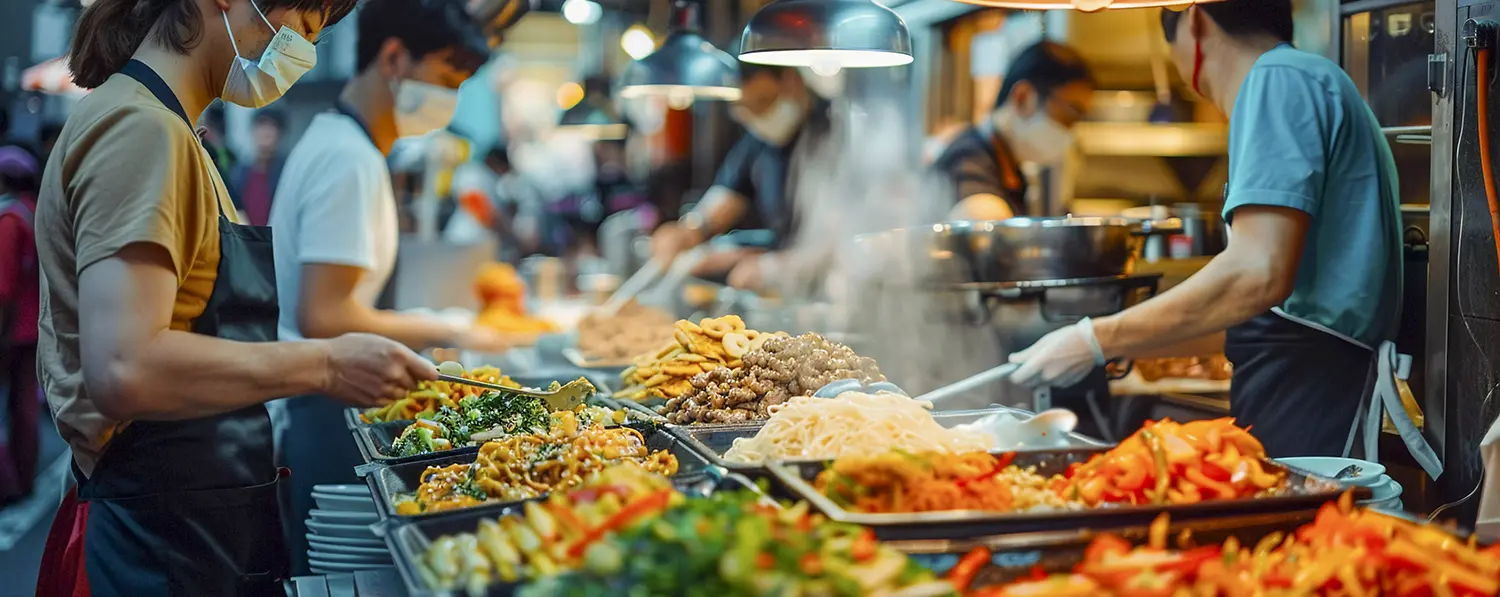
From the herbal, cooling broths of the North to the fiery, turmeric-stained curries of the South, Thailand’s secondary cities offer culinary experiences that are often more specialized and rooted in tradition than those found in the melting pot of Bangkok.
1. Chiang Mai: The Lanna Flavor Profile
Chiang Mai is the undisputed heavyweight of Northern Thai (Lanna) cuisine. Unlike the coconut-heavy dishes of Central Thailand, Northern food relies on forest-foraged herbs, dried spices, and a distinct lack of sugar. The climate is cooler, and the food is designed to be hearty and warming.
Signature Street Dishes
- Khao Soi: A creamy, coconut curry noodle soup topped with crispy fried noodles, served with pickled mustard greens, shallots, and lime.
- Sai Oua: Northern Thai sausage packed with lemongrass, kaffir lime leaves, and galangal. It is traditionally grilled over charcoal, giving it a smoky depth.
- Nam Prik Noom: A vibrant green chili dip made from roasted eggplants and chilies, usually served with cap moo (crispy pork cracklings).
Where to Eat
The Chang Phueak Gate Night Market is home to the famous “Cowboy Hat Lady,” whose slow-braised pork leg (khao kha moo) has become a pilgrimage site for foodies. For a more local experience, head to Siri-wattana Market (Thanin Market) during the day to find the city’s best sai oua.
2. Phuket Town: Peranakan and Hokkien Heritage
While the beaches of Phuket are world-famous, the historic Old Town is where the culinary magic happens. Phuket’s food scene is a unique blend of Southern Thai spice and “Baba-Nyonya” (Peranakan) culture, a result of the 19th-century tin mining boom that brought Chinese Hokkien immigrants to the island.
Signature Street Dishes
- Mee Hokkien: Thick yellow wheat noodles stir-fried with seafood, pork, and gravy, often topped with a soft-boiled egg.
- Oh Eaw: A refreshing shaved ice dessert made with banana starch and kidney bean jelly—perfect for the tropical heat.
- Loba: A platter of braised pork offal and fried tofu, served with a sweet and spicy dipping sauce.
Where to Eat
The Phuket Sunday Walking Street (Lard Yai) on Thalang Road is a sensory overload of local snacks. For breakfast, follow the locals to any traditional Dim Sum shop; Phuketians take their morning tea and steamed dumplings very seriously.
3. Hat Yai: The Gateway to Southern Spice
Located near the Malaysian border, Hat Yai is a bustling commercial hub with a food scene that reflects its multicultural roots. Here, you will find a heavy Muslim influence, resulting in some of the best fried chicken and biryani in Southeast Asia.
Signature Street Dishes
- Gai Tod Hat Yai: Perhaps Thailand’s most famous fried chicken. It is marinated in coriander seeds and cumin, then fried until shatteringly crisp and topped with a mountain of fried shallots.
- Roti Kaeng: Flaky, buttery flatbread served with a side of rich, spicy beef or chicken curry.
- Southern Thai Rice Salad (Khao Yum): A healthy, fragrant dish featuring rice mixed with toasted coconut, pomelo, and a complex fermented fish sauce called budu.
Where to Eat
The area around the Kim Yong Market is the heart of the action. In the evenings, the streets transform into a massive outdoor dining room where you can sample everything from charcoal-grilled seafood to traditional pulled tea (teh tarik).
4. Khon Kaen: The Heart of Isaan
If you want to experience authentic Isaan (Northeastern) food, Khon Kaen is the place to be. This is the home of “funk” and fire—think fermented fish (pla ra), lime-heavy salads, and plenty of dried chilies. It is arguably the most addictive regional cuisine in the country.
Signature Street Dishes
- Som Tum (Pla Ra): Green papaya salad seasoned with fermented fish sauce and small salted crabs. It is significantly more pungent and spicy than the “Thai style” version found in Bangkok.
- Larb Moo: A “salad” of minced pork, toasted rice powder, mint, and chilies. The toasted rice gives it a unique nutty crunch.
- Gai Yang: Spatchcocked chicken marinated in garlic and lemongrass, slow-grilled over low embers until the skin is golden and the meat is tender.
Where to Eat
Ton Tann Market offers a more modern, organized street food experience with a wide variety of Isaan staples. For something raw and local, the Bangkok Highway (Mittraphap Road) outskirts are lined with roadside shacks serving the most authentic grilled meats in the province.
5. Trang: The Breakfast Capital
Trang is often overlooked by international travelers, but among Thais, it is legendary for its food—specifically its breakfast. The town effectively wakes up at 4:00 AM to start steaming, frying, and brewing.
Signature Street Dishes
- Trang Roast Pork (Moo Yang): Known for its incredibly crispy, honey-glazed skin and tender meat. It is unique to this province and usually sold by the kilo in the early morning.
- Dim Sum: Influenced by the large ethnic Chinese population, Trang’s dim sum culture involves dozens of small plates being brought to your table automatically; you only pay for what you eat.
Where to Eat
The Trang Night Market near the train station is excellent for evening snacks, but the real experience is visiting any of the old-school coffee shops (Kopi) in the town center between 6:00 AM and 9:00 AM.
Regional Comparison Table
| City | Primary Influence | Spice Level | Key Ingredient |
| Chiang Mai | Lanna / Burmese | Moderate | Turmeric & Herbs |
| Phuket | Hokkien / Malay | High | Shrimp Paste |
| Hat Yai | Thai-Muslim | High | Cumin & Shallots |
| Khon Kaen | Isaan / Lao | Very High | Fermented Fish (Pla Ra) |
| Trang | Cantonese / Hokkien | Low to Moderate | Honey & Five-Spice |
Frequently Asked Questions
Which city has the spiciest street food?
Khon Kaen (Isaan) and Hat Yai (Southern) are generally the spiciest. Isaan food relies on fresh and dried bird’s eye chilies, while Southern food uses a combination of chilies and heavy black pepper.
Is street food safe to eat in smaller cities?
Yes, often more so than in heavy tourist zones because the turnover is high and the customers are mostly locals who wouldn’t return to a sub-par stall. Look for stalls with a high volume of local diners.
Do I need to speak Thai to order?
In cities like Chiang Mai and Phuket, English is common. In Hat Yai or Khon Kaen, it helps to know basic food terms or use the “point and smile” method. Most stalls have a limited menu, making it easy to identify what they serve.
What is the best time for street food?
In Thailand, street food follows a cycle. Morning markets (5:00 AM – 9:00 AM) are for fresh produce, coffee, and grilled pork. Evening markets (6:00 PM – 10:00 PM) are where the heavy stir-fries, noodle soups, and desserts appear.
How much should I expect to pay?
Outside of Bangkok, prices are incredibly affordable. A standard plate of rice or noodles usually costs between 40 and 60 THB ($1.10 – $1.65). Specialty items like roasted meats or seafood platters will be higher.
Final Thoughts
Exploring the street food of Thailand‘s secondary cities is a journey into the heart of the country’s cultural identity. Each province offers a distinct palate that tells the story of its people, from the rugged mountains of the North to the coastal trade routes of the South. By stepping away from the capital, you gain access to flavors that are more intense, more traditional, and deeply rewarding.