A Local’s Guide to Bangkok’s Banthat Thong Road: Street Food, Shops, and Culture
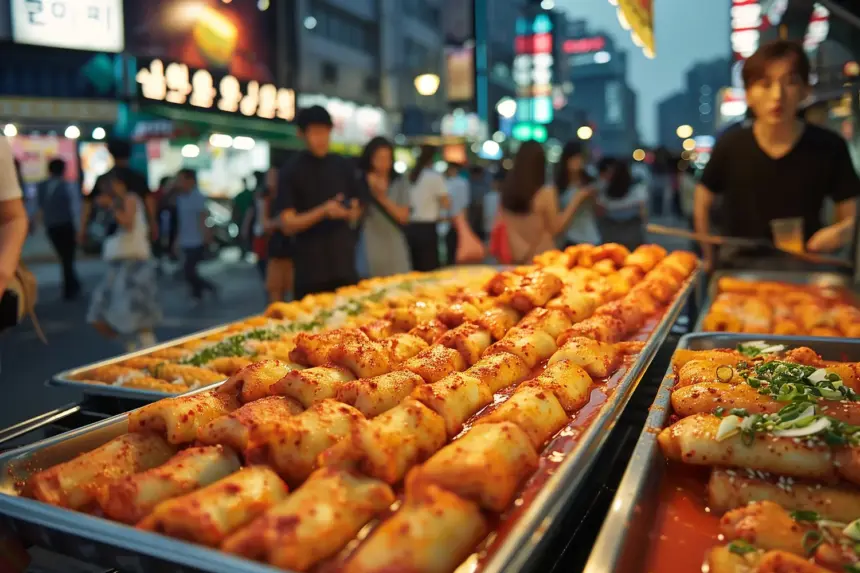
In the shadow of Bangkok’s gleaming skyscrapers and massive shopping malls lies a two-kilometer stretch of asphalt that has quietly overtaken the likes of Yaowarat (Chinatown) as the city’s most dynamic culinary corridor. Banthat Thong Road, located in the Pathum Wan district, has undergone a radical transformation. Once a hub for secondhand auto parts and sports equipment, it is now the undisputed heart of Bangkok’s “new-gen” street food scene.
- The Cultural Evolution of Banthat Thong
- Must-Visit Street Food Legends
- The “New Gen” Wave: Modern Desserts and Cafes
- Beyond Food: Shops and Cultural Pockets
- Practical Logistics for Visitors
- Frequently Asked Questions
- Is Banthat Thong Road better than Chinatown (Yaowarat)?
- Is the food on Banthat Thong spicy?
- How much should I budget for a night here?
- Are the menus in English?
- Can I find vegetarian options?
- Final Thoughts
Unlike the tourist-heavy lanes of Khao San or the frantic energy of Sukhumvit, Banthat Thong retains a distinctly local pulse. Driven by the energy of nearby Chulalongkorn University, the street is a playground where decades-old family recipes meet viral, Instagram-ready dessert concepts. To walk Banthat Thong is to witness the evolution of Thai food culture in real-time.
The Cultural Evolution of Banthat Thong
To understand Banthat Thong, one must understand its geography. Bordering the western edge of the Chulalongkorn University campus, the area has long served as the “canteen” for Thailand’s most prestigious student body. For years, the shops here were utilitarian—selling football jerseys, trophies, and automotive grease.
The shift began roughly a decade ago when the Property Management of Chulalongkorn University (PMCU) started a revitalization project. They aimed to modernize the neighborhood while preserving its culinary heritage. The result is a unique urban ecosystem where traditional shophouses stand alongside contemporary plazas like Suan Luang Square and Dragon Town.
Today, Banthat Thong is a place where you will see wealthy Thais in luxury sedans queuing up next to students on motorbikes, both waiting for the same 50-baht bowl of congee. It is a rare “leveler” in Bangkok’s social hierarchy, united by a singular obsession: good food.
Must-Visit Street Food Legends
The sheer density of food on Banthat Thong can be overwhelming. While new shops open every week, there are several “pillars” that have anchored this street for generations.
1. Jeh O Chula (The Midnight Legend)
Technically located just off the main road on Banthat Thong’s northern end, Jeh O Chula is arguably the most famous restaurant in Bangkok right now. Known for its Michelin Bib Gourmand status, its signature dish is the Mama Oho—a massive pot of instant noodles topped with crispy pork, shrimp, squid, meatballs, and a raw egg, all swimming in a spicy, creamy tom yum broth.
- The Experience: Queues here can last three hours. Pro tip: Go late (after 10:00 PM) or use a booking app to secure a slot.
2. Jok Sam Yan
A legendary establishment specializing in Jok (savory rice congee). This isn’t just breakfast food; on Banthat Thong, it’s a late-night staple. Their congee is renowned for its smoky aroma and hand-kneaded pork balls that are incredibly tender.
- The Order: Order it with a “raw egg” (kai sote) or “century egg” (kai yeow ma) for the full local experience.
3. Elvis Suki
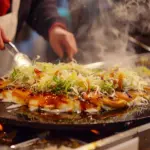
A multiple Michelin Bib Gourmand winner, Elvis Suki is famous for its Thai-style sukiyaki. While most people associate sukiyaki with hot pots, the “dry” version (Suki Haeng) here is the star. It is stir-fried over a high flame with a signature smoky char and served with a spicy, fermented bean curd sauce.
- The Secret: Don’t miss their Grilled Scallops with butter and garlic—they are arguably as famous as the noodles.
4. Tang Sui Heng Pochana
For lovers of braised meats, this shop is a temple. They specialize in stewed duck and goose, cooked in a rich, aromatic soy broth that has likely been simmering for decades. The meat is fall-off-the-bone tender, and the clay pot goose with egg noodles is a masterclass in Thai-Chinese comfort food.
The “New Gen” Wave: Modern Desserts and Cafes
While the legends provide the foundation, the “New Gen” vendors provide the hype. Banthat Thong is currently the epicenter of Bangkok’s dessert trends, specifically focusing on toasted bread and fresh milk.
Nueng Nom Nua (The Toast King)
You will recognize this spot by the massive crowd gathered outside. Nueng Nom Nua (meaning “One Milk”) has popularized the “Shokupan” style toast in the area. They serve thick, butter-toasted bread with various dips like Thai tea custard, salted egg lava, or Hokkaido milk.
- The Vibe: It feels like a trendy student hangout, complete with a glass-fronted kitchen where you can watch the bread being toasted.
June Pang
A direct rival to the toast throne, June Pang specializes in “caramelized” toast. Their signature dish is a thick slice of bread pan-fried with sugar until it forms a glass-like candy crust, served with a scoop of premium milk ice cream. It is decadent, heavy, and worth every calorie.
HAAB (Khanom Khai)
Bringing a traditional snack into the modern era, HAAB sells Khanom Khai—small, egg-based sponge cakes. What makes them special is the use of traditional charcoal ovens, giving the cakes a crispy exterior and a soft, buttery interior. They are served in modern, stylish packaging that makes them a popular “walking snack.”
Beyond Food: Shops and Cultural Pockets
While food is the main draw, Banthat Thong offers a glimpse into a specific subculture of Bangkok.
Sporting Goods District
Near the National Stadium end of the road, you will find dozens of shops dedicated to football (soccer). This is the best place in Thailand to buy authentic or high-quality replica jerseys, custom-printed kits, and sporting trophies. If you are a sports fan, browsing these narrow shops is a nostalgic trip through Thailand’s footballing history.
Chulalongkorn University Centenary Park
Just a block away from the food madness lies this 28-acre green oasis. It is an award-winning example of sustainable architecture, designed to manage water in a flood-prone city.
- Local Tip: It’s the perfect place to walk off a heavy meal. In the late afternoon, you’ll see locals jogging and students practicing dance routines under the slanted green roof.
Dragon Town
This is a purpose-built architectural “photo spot” designed to look like a traditional Chinese village. While it houses some shops and offices, most people visit for the architecture. It provides a striking contrast to the grit of the street food stalls just outside its gates.
Practical Logistics for Visitors
Best Time to Visit
Banthat Thong is a “night” street. While a few shops open for lunch, the real magic happens after 5:00 PM. By 7:00 PM, the street is glowing with neon signs and the air is thick with the smell of charcoal smoke and toasted bread.
- Avoid: Mondays. Many street vendors in Bangkok take Monday off for street cleaning.
Getting There
- BTS Skytrain: Take the Silom Line to National Stadium Station. From there, it is a 10-minute walk or a quick 40-baht tuk-tuk ride to the heart of Banthat Thong.
- MRT Subway: Take the Blue Line to Sam Yan Station. Use Exit 2 (Samyan Mitrtown) and walk about 12 minutes north.
- Parking: If you are driving, park at I’m Park Chula or Suan Luang Square. Street parking is nearly impossible and strictly enforced.
Navigating the Queues
Banthat Thong is the land of the “Queuing App.” Many popular shops use QueQ or physical tickets.
- Arrive and immediately head to your top-priority restaurant to get a number.
- Walk the street and grab small snacks (like Khanom Khai or grilled pork skewers) while you wait.
- Keep an eye on the digital displays outside the shops.
Frequently Asked Questions
Is Banthat Thong Road better than Chinatown (Yaowarat)?
It depends on what you want. Yaowarat is more historic, chaotic, and touristy. Banthat Thong is more organized, favored by locals and students, and has a better selection of modern Thai desserts and “fusion” street food.
Is the food on Banthat Thong spicy?
While there are many spicy dishes (like the Isaan food at Saneh Larb Koi), there are plenty of mild options like Hainanese chicken rice, congee, and the famous milk and toast shops. Always ask for “mai pet” if you want no chili.
How much should I budget for a night here?
You can have a full meal and dessert for 200–400 THB per person. Even the Michelin-rated spots remain very affordable compared to Sukhumvit dining.
Are the menus in English?
Since this area is popular with university students and increasingly international travelers, most major shops now have English menus or photos. However, smaller sidewalk vendors may only have Thai signs.
Can I find vegetarian options?
It is challenging but possible. Many of the “Suki” shops can do a vegetable-only version, and the dessert shops are generally vegetarian-friendly (though not vegan due to the heavy use of milk and butter).
Final Thoughts
Banthat Thong Road represents the future of Bangkok’s street food culture. It is a place where tradition is not preserved in a museum, but is allowed to evolve, compete, and thrive in a modern context. Whether you are there for a legendary bowl of noodles or a viral piece of caramelized toast, you are participating in a living culinary history that remains one of the city’s best-kept secrets for those willing to walk a few blocks off the beaten path.