
Navigating Bangkok: The 2026 BTS Skytrain Guide
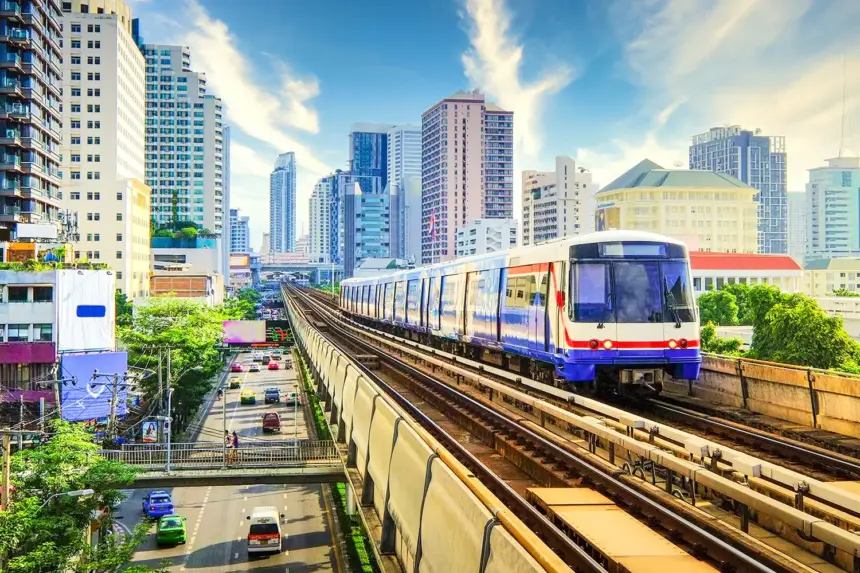
The BTS Skytrain (Bangkok Mass Transit System) is the backbone of urban mobility in Thailand‘s capital. Hovering above the notoriously gridlocked streets, these elevated electric trains connect the city’s primary commercial, shopping, and nightlife districts.
- The BTS Network: Line by Line
- 2026 Pricing and Ticketing
- Strategic Interchanges: BTS, MRT, and Beyond
- Practical Street-Level Knowledge
- Accessibility and Facilities
- Frequently Asked Questions
- Can I use my credit card to tap through the BTS gates?
- What time does the last BTS train run?
- Is the BTS wheelchair accessible?
- Can I bring food or drinks on the train?
- Is there a BTS station at the airport?
- Final Thoughts
Walking through Siam Station at 8:30 AM, you’ll see a sea of office workers and students moving with clockwork precision. What most first-timers don’t realize is that while the system looks simple, mastering the nuances of ticketing, interchanges, and station-specific exits is the difference between a smooth ride and a frustrating morning lost in the tropical heat.
The BTS Network: Line by Line
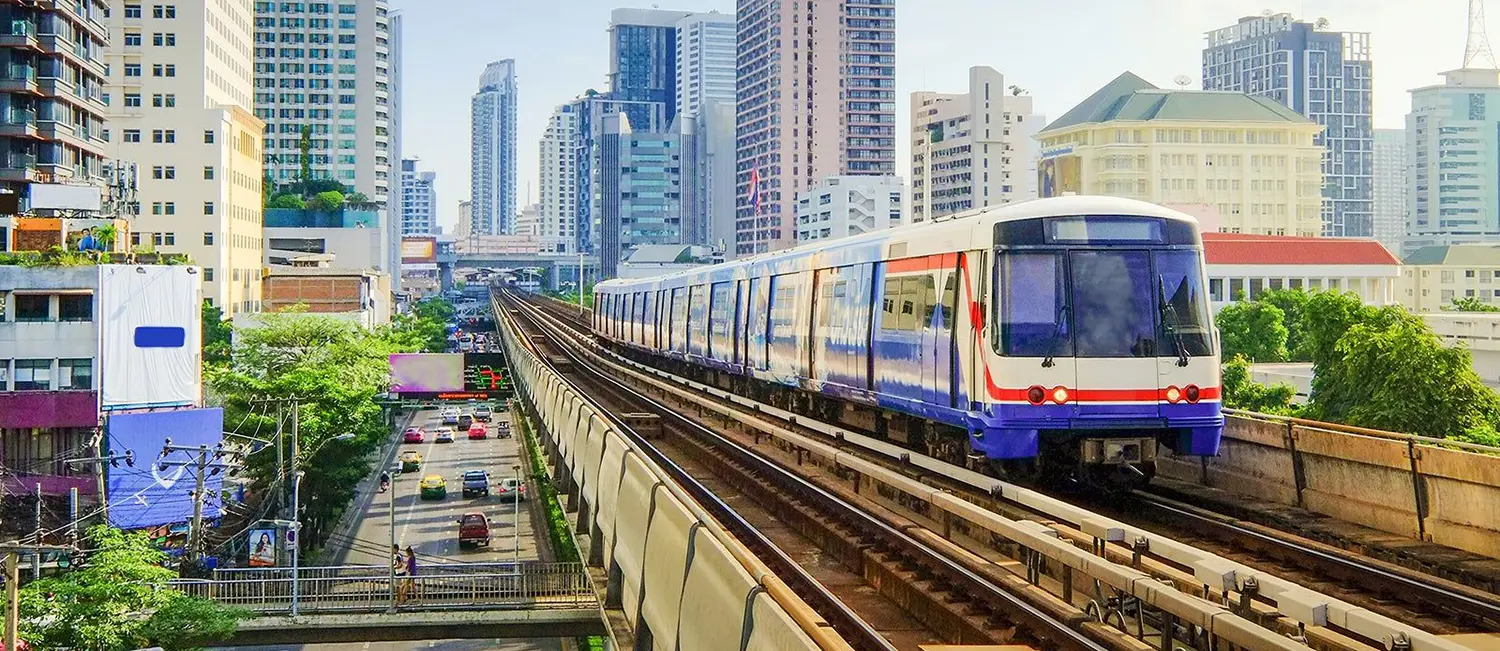
In 2026, the BTS consists of two primary lines and one secondary feeder line. Understanding these “veins” of the city is essential for navigating without constantly checking a map.
1. The Sukhumvit Line (Light Green)
The Sukhumvit Line is the longest and most essential route for travelers. It runs from the northern suburbs (Khu Khot) down through the heart of the city and out to the eastern seaboard province of Samut Prakan (Kheha).
- Key Stops: Mo Chit (Chatuchak Market), Victory Monument, Siam (Interchange), Nana/Asok (Nightlife & Terminal 21), and Phrom Phong/Thong Lo (Dining & Upscale Living).
- Best For: Shopping, major hotels, and easy access to the Airport Rail Link via Phaya Thai.
2. The Silom Line (Dark Green)
The Silom Line services the Central Business District (CBD) and the riverside. It begins at National Stadium and ends at Bang Wa on the Thonburi side of the river.
- Key Stops: Siam (Interchange), Sala Daeng (Silom nightlife), Chong Nonsi (Iconic Mahanakhon building), and Saphan Taksin.
- Saphan Taksin (S6): This is arguably the most important station for culture seekers, as it connects directly to the Sathorn Central Pier for Chao Phraya River boats.
3. The Gold Line
A shorter, automated people-mover that branches off the Silom Line at Krung Thon Buri. Its primary purpose for most visitors is providing direct, air-conditioned access to the ICONSIAM luxury mall.
2026 Pricing and Ticketing
As of mid-2026, BTS fares are distance-based, ranging from 17 THB to 65 THB. While the machines are efficient, choosing the right “currency” for your stay is vital.
Single Journey Tickets
These are thin magnetic cards purchased at the automated kiosks.
- Pro Tip: Most modern machines now accept QR PromptPay and credit cards, but some older kiosks still require coins. If you only have large bills, you must queue at the staff window.
The Rabbit Card
The Rabbit Card is a stored-value smart card. It costs 200 THB initially (100 THB for the card fee and 100 THB in starting credit).
- Why it matters: It saves you from the inevitable ticket machine queues during rush hour.
- Registration: Under Thai law, you must present your Passport (or a clear photo of it) to register a new Rabbit Card at the ticket office.
One-Day Pass
Priced at 150 THB, this card allows unlimited rides until midnight on the day of activation. If you plan to make more than four medium-distance trips in one day, this is the most cost-effective option.
Strategic Interchanges: BTS, MRT, and Beyond
One of the most common mistakes travelers make is assuming a “train is a train.” The BTS (Skytrain) and MRT (Subway) are operated by different companies. You cannot use a BTS ticket on the MRT or vice versa.
| BTS Station | Connects To | Best For |
| Siam (CEN) | BTS Sukhumvit $\leftrightarrow$ Silom | Swapping between the two Skytrain lines. |
| Asok (E4) | MRT Sukhumvit (Blue Line) | Heading to Chinatown (Wat Mangkon) or the Train Station. |
| Sala Daeng (S2) | MRT Silom (Blue Line) | Reaching Lumphini Park or the Rama IV area. |
| Phaya Thai (N2) | Airport Rail Link (ARL) | Efficient transit to Suvarnabhumi Airport (BKK). |
| Mo Chit (N8) | MRT Chatuchak Park | Access to the Long-Distance Bus Terminal. |

Practical Street-Level Knowledge
Having lived through many Bangkok monsoons, I can tell you that the BTS is more than just a train; it’s a sheltered walkway system.
The “Skywalk” Culture
Many central stations (Siam, Chit Lom, Phloen Chit) are connected by elevated walkways. You can walk from Siam Paragon all the way to CentralWorld and beyond without ever touching the sidewalk or the sun. In 2026, these skywalks have expanded significantly, offering “Turtle” convenience stores and small cafes right on the walkway level.
Peak Hour Survival
Rush hour in Bangkok is roughly 07:30 – 09:30 and 17:00 – 19:30.
- The Squeeze: Trains will be packed. If you have large suitcases, avoid traveling during these windows.
- The Wait: At major stations like Siam, you might have to wait for 2 or 3 trains before there is room to board.
- The Temperature: The trains are kept at a frigid temperature (often around 20°C). If you are sensitive to the “AC shock” after being in 35°C humidity, keep a light shirt or scarf in your bag.
Accessibility and Facilities
Bangkok’s older stations were notorious for a lack of elevators, but a massive renovation project has improved this for 2026.
- Elevators: Most stations now have at least one elevator from the street to the concourse and from the concourse to the platform.
- Restrooms: Generally, BTS stations do not have public restrooms inside the paid area. However, most stations are connected to a shopping mall where clean facilities are available.
- Security: Every entrance has a security checkpoint. Usually, a quick “open bag” gesture is all that is required.
Frequently Asked Questions
Can I use my credit card to tap through the BTS gates?
Unlike the MRT (Blue/Yellow/Pink lines), which allows contactless EMV (Visa/Mastercard) entry, the BTS still primarily requires a Rabbit Card or a physical ticket. Some specific gates are being upgraded, but for 100% reliability, keep a Rabbit Card.
What time does the last BTS train run?
While the system officially closes at midnight, the last trains often leave the “ends” of the lines around 11:30 PM or 11:45 PM. If you are at an interchange like Siam, ensure you are on the platform by midnight to catch the final connection.
Is the BTS wheelchair accessible?
Yes, the majority of stations in 2026 are equipped with elevators and tactile paving. However, some smaller, older stations may still have “gap” issues between the platform and the train. Security guards are trained to assist and will often phone ahead to your destination station to ensure a staff member meets you with a ramp.
Can I bring food or drinks on the train?
No. Consumption of food and drinks (including water) is strictly prohibited on the platforms and inside the trains. Security is quite strict about this; you will be asked to put away any open containers before passing the gates.
Is there a BTS station at the airport?
No directly. You must take the Airport Rail Link (ARL) from Suvarnabhumi Airport to Phaya Thai, where you can transfer to the BTS Sukhumvit Line. From Don Mueang Airport, you take the SRT Red Line to Krung Thep Aphiwat Central Terminal and then transfer to the MRT or a bus/taxi to the nearest BTS.
Final Thoughts
The BTS Skytrain remains the most efficient way to bypass Bangkok‘s legendary congestion while staying cool. By 2026, the system has matured into a tech-forward network that connects nearly every major hub a visitor would need. For the best experience, grab a Rabbit Card, avoid the 6:00 PM rush, and utilize the Skywalks to navigate the city’s heart from above.