


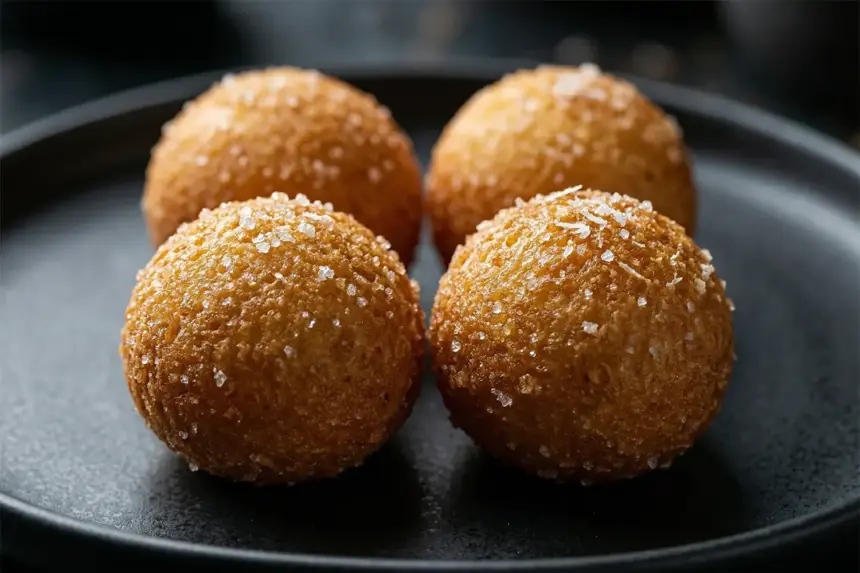
Khanom Khai: A Guide to Bangkok’s Best Thai Egg Cakes
Walking through the Phlapphla Chai intersection at dawn, the air doesn’t just smell like Bangkok’s usual exhaust and incense. It carries a heavy, comforting scent of toasted flour and caramelized sugar.
- What is Khanom Khai?
- The Information Gain: Why Most Guides Miss the Best Spots
- 1. Ha Yaek Phlapphla Chai (The Gold Standard)
- 2. Wang Lang Market (The Buttery Variation)
- 3. The Old Siam Plaza
- Anatomy of the Perfect Khanom Khai
- Cultural Significance: The “Rising” Cake
- Practical Tips for the Street
- Frequently Asked Questions
- Is Khanom Khai gluten-free?
- What is the difference between Khanom Khai and Khanom Farang Kudu?
- Why do some versions taste like charcoal?
- How long does it stay fresh?
- Is it vegetarian?
- Final Thoughts
This is the headquarters of Khanom Khai (ขนมไข่), or Thai egg cakes. While first-timers often mistake these for miniature pancakes or muffins, they are a distinct piece of Thai-Chinese culinary history. What makes them remarkable isn’t just the taste—it’s the texture: a crisp, buttery exterior that gives way to a sponge-like, airy center.
If you’ve only ever had “sponge cake” from a plastic wrapper, you haven’t actually experienced the soul of this snack. Real Khanom Khai is a labor of temperature control, often still cooked over charcoal to achieve a specific smokiness that modern electric ovens simply cannot replicate.
What is Khanom Khai?
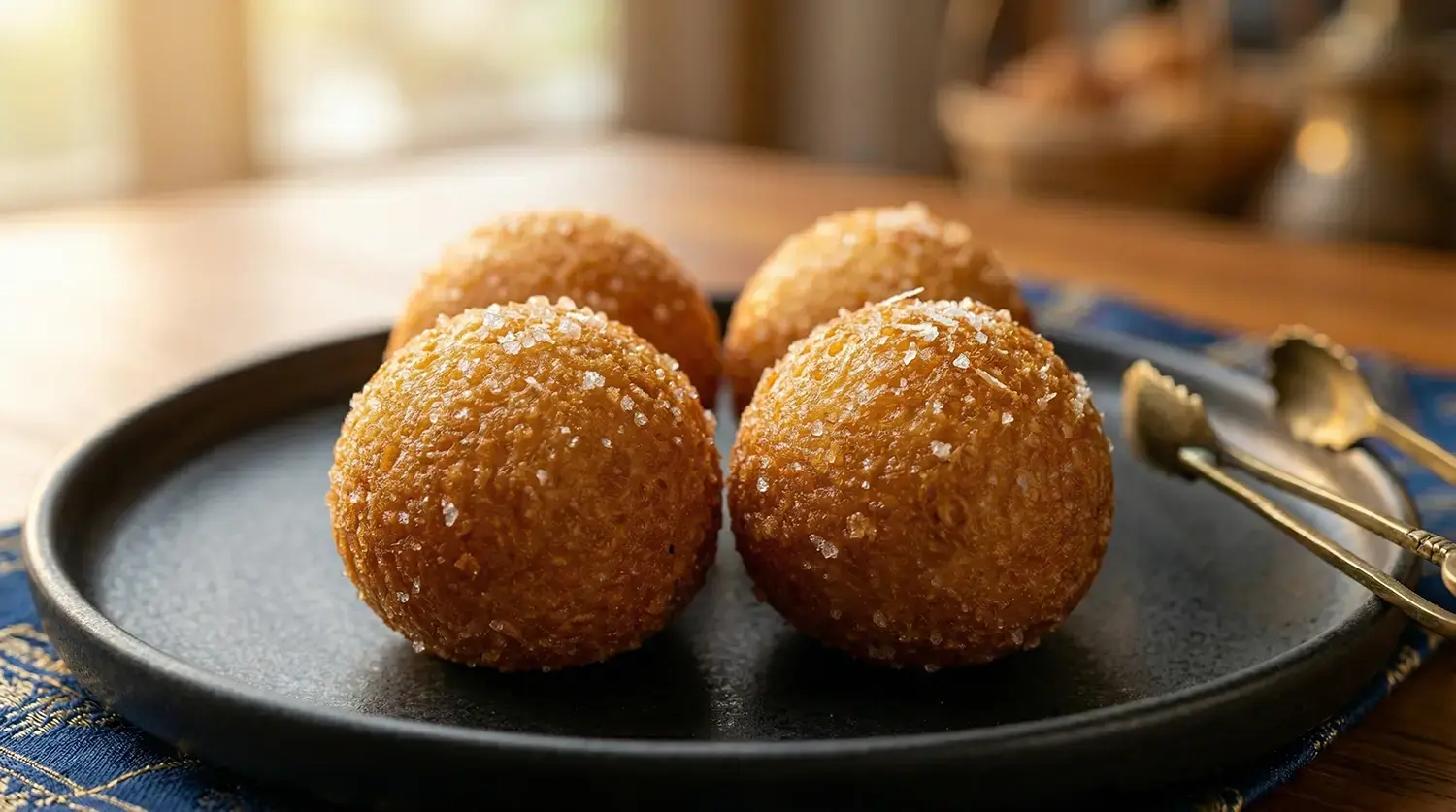
Khanom Khai is a traditional Thai small-batch egg cake made primarily from flour, duck or chicken eggs, and sugar. Historically, these cakes are baked in brass molds with flower or shell-shaped indentations.
Unlike Western sponge cakes that rely heavily on butter for flavor, the traditional Thai version leans on the richness of the eggs and a very high baking temperature to create a “crust.” In the old days, vendors used charcoal braziers with heat applied both from the bottom and via a lid covered in glowing coals on top. This dual-heat method ensures the cake rises rapidly and develops its signature golden-brown shell.
The Different Styles of Thai Egg Cakes
Travelers often get confused because “egg cake” is a broad term in Thailand. It is important to distinguish Khanom Khai from its cousins:
- Khanom Khai (Traditional): Small, bite-sized, and dry-textured. Perfect for dipping in coffee or tea.
- Khanom Farang Kudu: Found primarily in the Kudu community (Portuguese-Thai heritage). These are larger, often topped with raisins or dried fruit, and have a more crusty, sugar-dusted exterior.
- Khanom Khai Boran: The “ancient” style, often featuring salted butter brushed into the mold, creating a salty-sweet contrast that is highly addictive.
The Information Gain: Why Most Guides Miss the Best Spots
Most travel blogs will point you to the nearest night market for Khanom Khai. While those are fine, they are often mass-produced in electric machines. To find the version that defines the genre, you have to go to where the history remains.
1. Ha Yaek Phlapphla Chai (The Gold Standard)
Located near the famous Ann Guay Tiew Kua Gai, there is a small stall known as Khanom Khai Ha Yaek (ขนมไข่ห้าแยก).
- The Secret: They still use a charcoal stove. You can see the vendor lifting the heavy iron lid, revealing rows of perfectly puffed cakes.
- Price: Usually sold in bags of 30B–50B.
- The Experience: They are best eaten within 5 minutes of leaving the mold. As they cool, the exterior loses its crunch and becomes soft—still good, but the “shatter” of the crust is the hallmark of a master baker.
2. Wang Lang Market (The Buttery Variation)
Across the river at Wang Lang (near Siriraj Hospital), the Khanom Khai here takes a more modern, decadent turn.
- The Difference: They use a significant amount of butter brushed into the brass molds. The cakes here are “juicier” and more savory than the dry, airy versions in Chinatown.
- The Crowd: This stall almost always has a queue. Look for the sign Khanom Khai Wang Lang.
3. The Old Siam Plaza
For those who prefer a more comfortable environment, the ground floor of The Old Siam Plaza is a sanctuary for traditional Thai desserts.
- The Quality: The vendors here cater to a Thai clientele who grew up on these snacks. The ingredients are high-quality, and you can often find variations with dried raisins or different flours.
Anatomy of the Perfect Khanom Khai
To the untrained eye, it’s just a cake. To a regular, it’s a balance of four specific sensory markers.
The Crust
If the cake is pale yellow all over, it was likely cooked in an under-powered electric oven. A true Khanom Khai should have dark golden edges. The sugar in the batter should undergo a slight Maillard reaction, giving it a hint of “burnt sugar” flavor.
The Crumb
The interior should be bone-dry but light. This is why it’s a popular breakfast item; it’s designed to absorb liquid. If you find the cake too dry on its own, you aren’t eating it “wrong”—you’re just missing the tea.
The Salt Factor
The best stalls (especially the “buttery” ones) use salted butter or a pinch of salt in the batter. That tiny hit of sodium elevates the egg flavor and prevents the cake from being cloying.
The Aroma
There should be no “fishy” egg smell. High-quality vendors use fresh duck eggs for a richer color or treat the batter with pandan-infused water to mask any sulfurous notes from the eggs.
Cultural Significance: The “Rising” Cake
In Thai-Chinese culture, Khanom Khai is more than a snack; it is a symbol of prosperity. Because the batter rises significantly during the baking process, these cakes are often served at weddings and Chinese New Year celebrations. The “rise” represents the growth of wealth, status, and the flourishing of a new marriage.
If you visit a traditional Thai wedding, you might see these arranged in towers. In a street food context, they are the “working man’s snack”—cheap, filling, and easy to carry in a small paper bag while navigating the crowded alleys of Yaowarat.
Practical Tips for the Street
- Timing: Most legendary vendors start early (7:00 AM) and finish by early afternoon. Do not expect to find the best Khanom Khai at a 10:00 PM night market; those are usually “tourist versions.”
- Ordering: Simply point and say “Sip-ha Baht” (15 Baht) or “Sam-sip Baht” (30 Baht). They will scoop them fresh into a bag.
- Storage: If you take them back to your hotel, they will go soft. To revive them, do not microwave them (they will turn into rubber). Use a toaster oven or an air fryer for 2 minutes at 180°C to bring the crunch back.
Frequently Asked Questions
Is Khanom Khai gluten-free?
No. Traditional Khanom Khai uses wheat flour as its primary base to achieve the necessary rise and structure.
What is the difference between Khanom Khai and Khanom Farang Kudu?
Khanom Khai is smaller, bite-sized, and usually plain. Khanom Farang Kudu is larger (muffin-sized), has a much harder, crustier exterior, and is often topped with sugar, raisins, or dried pieces of winter melon.
Why do some versions taste like charcoal?
Traditional vendors use charcoal both above and below the mold. The smoke from the coals occasionally seeps into the batter, giving it a nostalgic, rustic flavor that is highly prized by locals.
How long does it stay fresh?
Because it is a “dry” cake, it can last 2–3 days in an airtight container. However, the unique texture—crisp outside, soft inside—only lasts for about 30 minutes after baking.
Is it vegetarian?
It is “ovo-vegetarian” as it contains eggs. It does not contain meat, but traditional versions may use lard or butter to grease the molds, so it is not vegan.
Final Thoughts
Khanom Khai is a masterclass in Thai simplicity. It avoids the neon colors and heavy coconut creams of other desserts, relying instead on the humble egg and a hot brass mold. While it may look unassuming, finding a stall that still uses charcoal and duck eggs is a direct link to the Bangkok of fifty years ago.