
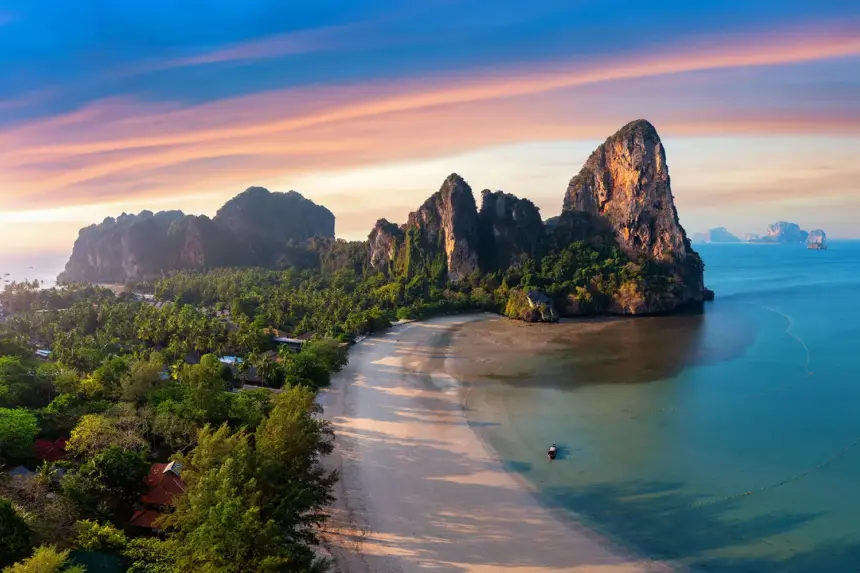
12 Secret Islands in Thailand You’ve Probably Never Heard Of
Most first-time visitors to Thailand make a straight line for Phuket, Koh Samui, or the Phi Phi Islands. There is nothing inherently wrong with that. Those locations offer world-class infrastructure, massive international airports, and menus translated into six languages.
- Managing Expectations: The Reality of Remote Island Travel
- 1. Koh Phayam (Ranong)
- 2. Koh Kood (Trat)
- 3. Koh Mak (Trat)
- 4. Koh Mook (Trang)
- 5. Koh Kradan (Trang)
- 6. Koh Bulon Lae (Satun)
- 7. Koh Phra Thong (Phang Nga)
- 8. Koh Yao Noi (Phang Nga)
- 9. Koh Jum / Koh Pu (Krabi)
- 10. Koh Tarutao (Satun)
- 11. Koh Libong (Trang)
- 12. Koh Wai (Trat)
- Frequently Asked Questions
- Final Thoughts
But if you have been there, done that, and bought the oversized Chang beer singlet, you are probably looking for something else. You want the Thailand of twenty years ago. You want empty beaches, dirt roads, and the sound of the ocean instead of jet skis.
Getting to the lesser-known Thai islands requires more effort. You will take multi-hour minivans, wait on humid piers, and ride wooden longtail boats. The payoff, however, is a coastal experience completely detached from mass tourism.
Here are 12 lesser-known Thai islands where the pace is slow, the beaches are empty, and you might actually be the only foreigner at the local noodle stall.
Managing Expectations: The Reality of Remote Island Travel
Before packing your bags for a remote Thai island, you need to recalibrate your expectations.
- Cash is King: Many of these islands do not have a single ATM. Always withdraw enough Thai Baht (THB) on the mainland to cover your entire stay, plus an emergency buffer.
- Limited Convenience: Say goodbye to 24-hour 7-Elevens. Local mom-and-pop shops might close by 8 PM, and supplies arrive by boat, making basic items slightly more expensive.
- Medical Care is Basic: If you get a severe coral cut or food poisoning, the local clinic can only offer basic first aid. Serious issues require a speedboat back to a mainland hospital.
- Monsoon Closures: Islands in the Andaman Sea effectively shut down from May to October. Boat services halt, and resorts board up their windows. Always check seasonal weather patterns before booking.
1. Koh Phayam (Ranong)
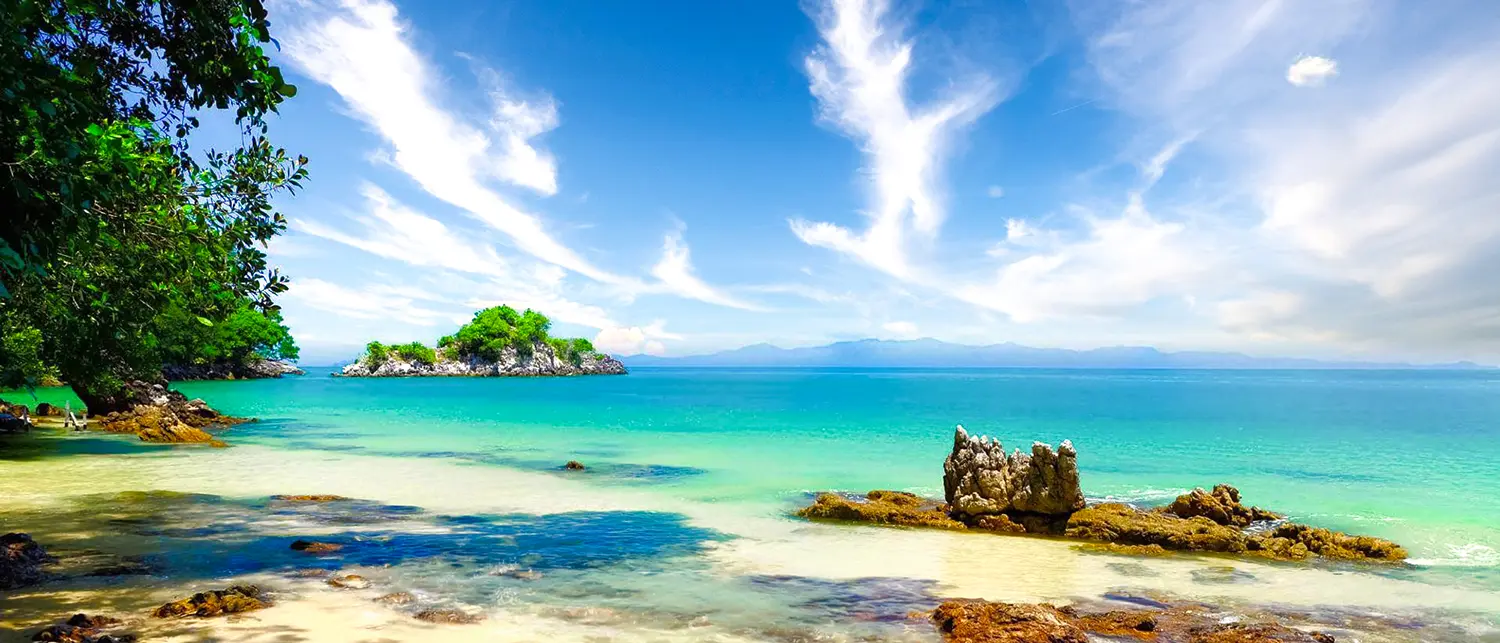
Koh Phayam is a roadless island in the Andaman Sea off the coast of Ranong Province, known for its cashew plantations and slow-paced, bohemian atmosphere.
You will not find any cars here. Locals and visitors navigate the narrow concrete paths using scooters or bicycles. The island runs on a distinctly slower clock. It feels like stepping back into the Southeast Asian backpacker trail of the 1970s.
The main beaches are Aow Yai (Long Beach) for surfing and sunset beers, and Aow Khao Kwai (Buffalo Bay) for calm, shallow waters. Power outages are common, and internet speeds fluctuate depending on the wind.
- How to get there: Take a flight or overnight bus to Ranong. From the Ranong Pier, a speedboat takes 40 minutes and costs roughly 350 THB.
2. Koh Kood (Trat)
Koh Kood (or Koh Kut) is the easternmost island in the Trat archipelago near the Cambodian border, famous for its dense rainforest interior and high-end, low-density resorts.
Despite being Thailand’s fourth-largest island, it has a population of barely 2,000 people. The roads are incredibly quiet, making it one of the safest places in Thailand to rent a scooter. The island caters heavily to couples and families looking for privacy rather than nightlife.
Beyond the beaches, the island features massive inland waterfalls, including Klong Chao Waterfall, which has a deep freshwater pool perfect for afternoon swimming.
- How to get there: Fly into Trat Airport (TDX) or take a bus from Bangkok to Laem Sok Pier. The high-speed catamaran takes about 90 minutes and costs around 600 THB.
3. Koh Mak (Trat)
Koh Mak is a small, privately owned, star-shaped island in the Gulf of Thailand that strictly promotes eco-tourism and bans motorized water sports.
Because it is relatively flat, Koh Mak is the absolute best Thai island for cycling. You can rent a bicycle and cross the entire island in under an hour, passing through rubber plantations and coconut groves. The local families who own the land have actively blocked the construction of large chain hotels.
The vibe is deeply tranquil. The beaches, particularly Ao Kao and Ao Suan Yai, are characterized by calm, clear water and leaning palm trees.
- How to get there: From Laem Ngop Pier in Trat, speedboats depart regularly. The journey takes 45 minutes and costs roughly 450 THB.
4. Koh Mook (Trang)
Koh Mook (or Koh Muk) is a quiet fishing island in the Trang archipelago, primarily famous for the Morakot Cave (Emerald Cave).
The island has a split personality. The east side is a working Muslim fishing village built on stilts over the water, where you can eat incredibly cheap, fresh seafood. The west side features Charlie Beach, a wide stretch of sand with striking limestone cliffs.
Most day-trippers arrive just to swim through the 80-meter pitch-black tunnel of the Emerald Cave, emerging into a collapsed sinkhole with a private beach. Staying on the island allows you to visit the cave before the tour boats arrive at 10:00 AM.
- How to get there: Fly into Trang Airport (TST), take a minivan to Khuan Tung Ku Pier, and catch a 30-minute longtail boat (around 100 THB for the public ferry, more for private).
5. Koh Kradan (Trang)
Koh Kradan is a tiny, heavily protected island within the Hat Chao Mai National Park, renowned for having some of the healthiest shallow-water coral reefs in Thailand.
There are no villages, no roads, and no police stations here. The island consists entirely of a long strip of sand on the east coast, backed by thick jungle, and a handful of small resorts. At low tide, the water retreats dramatically, exposing the sand flats.
You come to Koh Kradan to read a book, snorkel directly off the beach, and sleep early. Bring snacks from the mainland, as the resort restaurants hold a monopoly on food pricing here.
- How to get there: Often accessed via longtail boat from neighboring Koh Mook or directly from Pak Meng Pier in Trang (about 45 minutes).
6. Koh Bulon Lae (Satun)
Koh Bulon Lae is a microscopic island in the deep south of Thailand, offering an entirely off-grid experience with zero cars and minimal electricity.
It takes only 20 minutes to walk across the entire island. You will share the walking trails with massive monitor lizards and local fishermen carrying their catch. There are a few low-key bungalow operations and one slightly upscale resort, but development remains minimal.
The water clarity here rivals the Maldives. It is a favorite spot for experienced travelers who want to disappear completely from the modern world for a week.
- How to get there: Take a speedboat from Pak Bara Pier in Satun Province. The trip takes roughly 45 minutes and costs around 500 THB.
7. Koh Phra Thong (Phang Nga)
Koh Phra Thong is a large coastal island in the Andaman Sea that defies the typical Thai island aesthetic, featuring an interior landscape of flat, African-style coastal savanna.
Instead of jungle-covered mountains, you will find miles of golden grass, melaleuca trees, and wild deer. It is a bizarre, deeply fascinating environment. The beaches on the west coast stretch for over 15 kilometers and are entirely empty.
This island is a major nesting site for sea turtles. The accommodation consists almost entirely of eco-resorts that blend into the tree line.
- How to get there: From Kuraburi Pier in Phang Nga, a longtail boat ride takes about 1 hour.
8. Koh Yao Noi (Phang Nga)
Koh Yao Noi is a Muslim-majority island situated exactly halfway between Phuket and Krabi, offering spectacular views of the Phang Nga Bay limestone karsts.
Despite being so close to Phuket, it feels a world away. The island has a ring road perfect for scooter exploration. You will pass water buffalo grazing in rice paddies and wooden houses painted in bright colors.
The island balances extremely high-end luxury resorts (like Six Senses) with cheap, local homestays. The beaches are tidal and not the best for swimming, but the sunrise views over the jagged rock formations are unmatched.
- How to get there: Take a 30-minute speedboat from Bang Rong Pier in Phuket. Tickets cost approximately 300 THB.
9. Koh Jum / Koh Pu (Krabi)
Koh Jum (the southern half) and Koh Pu (the northern half) make up a single, highly laid-back island off the coast of Krabi, known for its amber sunsets and unpretentious beach bars.
If you hate loud music and fire shows, this is your island. The beaches are a mix of sand and rocks, giving them a rugged, natural feel. The water is not crystal clear due to the nearby mangroves, but the atmosphere makes up for it.
Accommodation ranges from basic wooden huts with mosquito nets to comfortable boutique villas. The local community is welcoming, and the food is deeply authentic Southern Thai cuisine.
- How to get there: During high season, you can jump off the main Krabi-to-Koh Lanta ferry directly onto a longtail boat waiting in the open water. Alternatively, take a longtail from Laem Kruat Pier (45 minutes).
10. Koh Tarutao (Satun)
Koh Tarutao is the largest island in the Tarutao National Marine Park and a former penal colony, offering a wild, rugged, and historically dark travel experience.
Between 1938 and 1948, this island held political prisoners. During World War II, when food supplies from the mainland stopped, the guards and prisoners teamed up to become brutal pirates in the Strait of Malacca. Today, you can rent bicycles to explore the ruins of the prison camps.
There are no private hotels here. You must rent tents or basic park ranger bungalows through the Thai National Parks website. Monkeys and wild pigs roam freely through the campsites.
- How to get there: Speedboats depart from Pak Bara Pier in Satun and take about 30 minutes to reach the park headquarters.
11. Koh Libong (Trang)
Koh Libong is the largest island in Trang Province, famous globally as one of the last remaining natural habitats for the endangered dugong (sea cow).
This is not a traditional beach holiday destination. The beaches are muddy at low tide, and the water is slightly murky. However, it offers a fascinating look into traditional Thai Muslim fishing culture. You can hire local guides to take you up observation towers or out on quiet longtail boats to spot the dugongs feeding on seagrass.
The island has a few small resorts, but tourism here is secondary to fishing and rubber tapping. Dress modestly when walking through the villages.
- How to get there: From Hat Yao Pier in Trang, a ferry or longtail boat takes roughly 30 minutes.
12. Koh Wai (Trat)
Koh Wai is a tiny, crescent-shaped island in the Koh Chang archipelago, offering a totally off-grid, back-to-basics beach experience.
There are no roads, no vehicles, and electricity is provided by generators for only a few hours each evening. The island features exactly four small bungalow operations connected by a sandy walking path.
The main draw is the healthy coral reef located just ten meters off the shore. You can wake up, walk out of your wooden hut, and immediately snorkel with parrotfish and reef sharks.
- How to get there: Take a speedboat from Laem Ngop Pier on the mainland, or jump on a slower wooden boat from neighboring Koh Chang.
Frequently Asked Questions
Are these islands open all year round?
Islands in the Andaman Sea (Koh Phayam, Koh Mook, Koh Kradan, Koh Tarutao) essentially shut down during the monsoon season from May to October. Ferries stop running, and resorts close. Islands in the Gulf of Thailand (Koh Kood, Koh Mak) stay open year-round, though rain is frequent from June to September.
Do I need a scooter to get around?
It depends on the island. Koh Kood and Koh Yao Noi require a scooter to explore properly. Tiny islands like Koh Kradan, Koh Bulon Lae, and Koh Wai are strictly walking-only.
Is it safe to visit remote Thai islands?
Yes, violent crime is extremely rare. The main safety risks are natural: strong ocean undertows, falling coconuts, and minor scooter accidents on dirt roads. Always travel with basic first-aid supplies and comprehensive travel insurance.
Can I use credit cards on these islands?
Assume you cannot. While a high-end resort on Koh Kood might accept Visa, the vast majority of local restaurants, longtail boat operators, and small bungalow owners operate strictly on cash (Thai Baht).
Which of these islands is best for families?
Koh Mak and Koh Kood are excellent for families. They have flat, calm beaches, a very safe environment, and slightly better medical access via the Trat mainland compared to the deep south islands.
Final Thoughts
Stepping off the main tourist trail in Thailand requires a willingness to trade modern conveniences for raw coastal authenticity. These twelve islands offer a glimpse into the slow-paced, deeply communal lifestyle that defined the country’s early travel era. While the logistics of getting to places like Koh Bulon Lae or Koh Tarutao demand patience, the reward is an untouched stretch of sand entirely to yourself. Pack light, bring enough cash, and respect the local environments that make these remote destinations so special.