



The Rise of Culinary Tourism in Thailand: How Food Culture Is Shaping Travel in 2026
In 2026, the global traveler is no longer satisfied with merely “seeing” Thailand; they want to taste it. While the Kingdom has long been famous for its street food and aromatic spices, a fundamental shift has occurred in how visitors engage with the country. Culinary tourism has evolved from a secondary activity into a primary driver of travel, ranking as the third most significant reason for visiting Thailand this year—a dramatic jump from its position just two years ago.
- The New Gastronomic Map: Beyond Bangkok’s Borders
- Sustainability and the “Green Star” Revolution
- Immersive Food Experiences: More Than Just Eating
- Fine Dining and the “Self-Assured” Thai Identity
- Frequently Asked Questions
- Is street food still safe and relevant in 2026?
- How much should I budget for a culinary-focused trip?
- Do I need to book restaurants far in advance?
- Are there options for vegan or gluten-free travelers?
- What is the best time of year for a food-focused trip?
- Final Thoughts
The landscape of Thai dining in 2026 is defined by a newfound “culinary self-assurance.” The industry has moved beyond the “Pad Thai and Green Curry” clichés, offering instead a sophisticated spectrum that spans from Michelin-starred forest-to-table concepts in Chiang Mai to hyper-local seafood experiences in the Southern islands. This evolution is not just about flavor; it is about identity, sustainability, and a deep-rooted connection to the land.
The New Gastronomic Map: Beyond Bangkok’s Borders
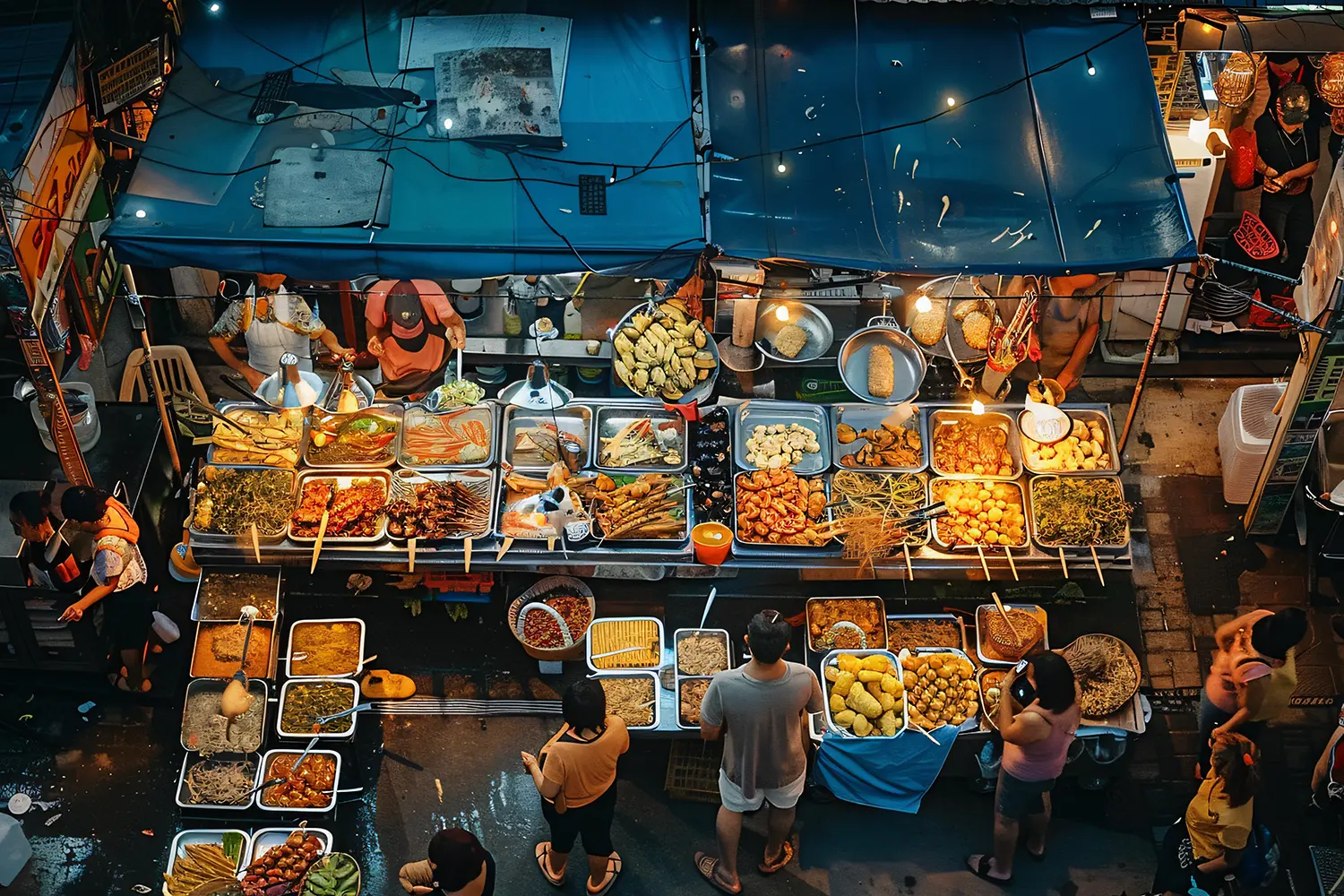
While Bangkok remains the undisputed heavyweight of the Thai food scene, 2026 has seen a significant decentralization of culinary interest. Travelers are now venturing into secondary cities and rural provinces, guided by their palates rather than just traditional sightseeing checklists.
The Northern “Hill-to-Hearth” Movement
In Chiang Mai and Chiang Rai, the focus has shifted to the preservation of indigenous ingredients. Local chefs are collaborating with hill tribe communities to bring forgotten herbs and ancient fermentation techniques to the forefront. These “hill-to-hearth” experiences often involve travelers visiting high-altitude coffee plantations or organic farms before sitting down to a meal that reflects the terroir of the North.
Southern Coastal Heritage
Phuket, recently reaffirmed as a UNESCO City of Gastronomy, is leading the charge in “Baba-Nyonya” (Peranakan) culinary revival. Travelers are flocking to Old Town not just for the architecture, but for specialized food walks that explain the Chinese-Malay-Thai fusion unique to the island. Further south, the “Phang-Nga Bay to Plate” movement emphasizes zero-mile seafood, where the morning’s catch from small-scale artisanal fishermen is served in upscale beachfront venues by noon.
Isaan: The Soul of Modern Thai Spice
Northeastern Thailand (Isaan) has moved from being a regional secret to a global trend. In 2026, the complexity of Isaan’s “funk”—driven by pla ra (fermented fish) and wild-foraged greens—is being celebrated in high-end “Isaan-modern” bistros in Khon Kaen and Udon Thani. These cities are becoming essential stops for foodies seeking the raw, authentic pulse of Thai heat.
Sustainability and the “Green Star” Revolution
In 2026, the ethical footprint of a meal is as important to travelers as its taste. Thailand’s commitment to sustainable gastronomy has matured, moving from a niche trend to a standard expectation.
The Rise of the Michelin Green Star
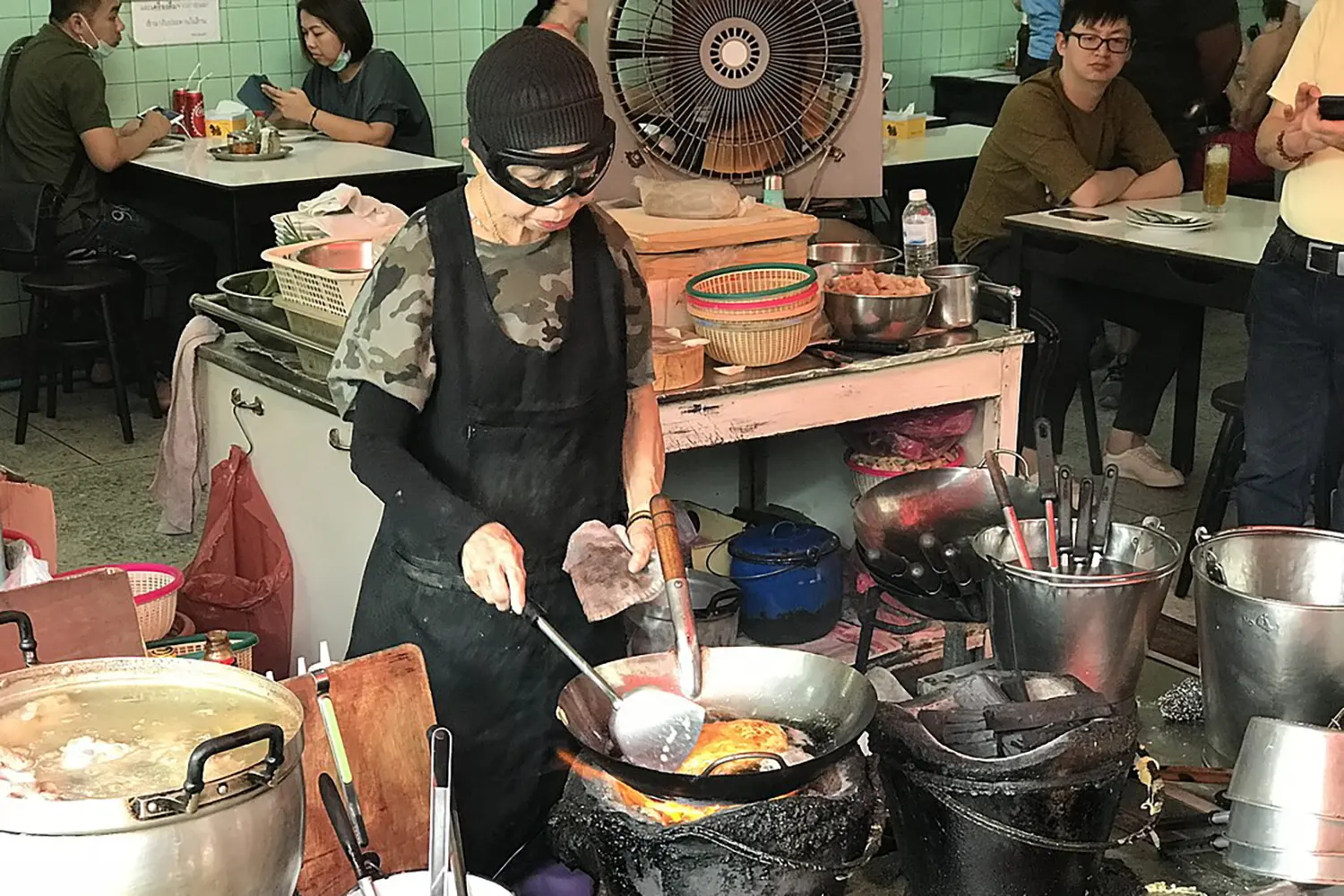
The 2026 Michelin Guide Thailand features a record number of “Green Star” recipients. These are restaurants that demonstrate exceptional commitment to sustainable practices. Travelers are actively seeking out these venues, such as PRU in Phuket or Haoma in Bangkok, where zero-waste kitchens and urban hydroponic gardens are the core of the experience.
Farm-to-Table 2.0: “Future Crops”
Thailand’s agricultural sector is adapting to global health trends, and travelers are seeing this on their plates. 2026 marks the rise of “Future Crops” like Wolffia (watermeal), a tiny aquatic plant dubbed the “world’s superfood.” High in protein and requiring minimal water, it is appearing in everything from fine-dining purees to healthy smoothies in Bangkok’s trendiest cafes.
Note on Ingredients: In 2026, it is common for menus to include “Ingredient Maps,” showing exactly which province—and often which specific farm—produced the rice, cacao, or herbs used in each dish.
Immersive Food Experiences: More Than Just Eating
The “Culinary Traveler” of 2026 is an active participant. Passive dining is being replaced by immersive, education-based experiences that provide a deeper understanding of Thai culture.
Specialized Cooking Residencies
While half-day cooking classes remain popular, 2026 has seen a surge in “Culinary Residencies.” These are multi-day programs where travelers stay on organic farms or in traditional villages to learn the entire lifecycle of a dish—from harvesting rice to pounding curry pastes by hand.
Tech-Enhanced Food Tours
Artificial Intelligence is now a standard tool for the savvy food traveler. In 2026, AI-driven apps provide real-time translations of complex Thai menus and offer “smart routing” for street food crawls, helping visitors navigate the bustling night markets of Yaowarat (Chinatown) or Nimman in Chiang Mai based on their specific dietary preferences and historical interests.
The “Chef-Driven” Casual Scene
A major trend this year is the rise of chef-driven casual spots. Michelin-starred chefs are opening smaller, more accessible “satellite” eateries that focus on a single dish or a specific regional style. This allows travelers to experience high-level culinary artistry without the formality (or the price tag) of a multi-course tasting menu.
Fine Dining and the “Self-Assured” Thai Identity
Thailand’s fine-dining scene has reached a state of maturity where it no longer feels the need to mimic European standards. In 2026, the most prestigious tables are those that lean hardest into Thai heritage, albeit with modern precision.
The Triumph of Regionality
Restaurants like Sorn (focusing on Southern Thai) and Sühring (modern German-Thai influence) continue to lead the Three-Star Michelin category, but they are joined by a new wave of “borderless” cuisine. This style blends European techniques with strictly Thai seasonal produce, resulting in flavors that are entirely unique to the Kingdom’s current era.
Non-Alcoholic Pairings
Mirroring global wellness trends, the “Spirit-Free” movement has taken over Thai high-end dining. In 2026, tasting menus are frequently paired with sophisticated, non-alcoholic elixirs made from Thai botanicals, fermented tea (kombucha), and cold-pressed tropical fruits, offering a complex alternative to traditional wine pairings.
Frequently Asked Questions
Is street food still safe and relevant in 2026?
Absolutely. Street food remains the bedrock of Thai culinary culture. In 2026, the “Trusted Thailand” initiative has further improved hygiene standards and vendor transparency, ensuring that the legendary stalls of Bangkok and beyond remain both safe and world-class in quality.
How much should I budget for a culinary-focused trip?
While street food remains affordable (50–150 THB per dish), the rise of mid-range “casual-fine” dining and premium food tours means a dedicated food traveler should budget roughly 1,500–3,000 THB per day for a high-quality, varied experience. Fine-dining tasting menus typically range from 4,000 to 12,000 THB per person.
Do I need to book restaurants far in advance?
For Michelin-starred and “Top 50” venues, booking 2–4 weeks in advance is highly recommended. For popular casual spots and “Chef-driven” eateries, a 3–5 day lead time is usually sufficient, though many still accommodate walk-ins on weeknights.
Are there options for vegan or gluten-free travelers?
Thailand is more accommodating than ever in 2026. The “Plant-Forward” movement has led to a surge in high-end vegan Thai restaurants, particularly in Bangkok and Phuket. Gluten-free travelers benefit from the natural prevalence of rice-based noodles and flour in Thai cuisine, though soy sauce remains a hidden source of gluten to watch for.
What is the best time of year for a food-focused trip?
While food is available year-round, the “Fruit Season” (April to June) is spectacular for trying rare varieties of durian, mangosteen, and mango. The “Cool Season” (November to February) is ideal for outdoor night markets and visiting Northern farms.
Final Thoughts
In 2026, food culture has become the primary lens through which the world views Thailand. The transition from “cheap and spicy” to “sophisticated and sustainable” reflects a nation that is proud of its heritage and confident in its future. For the traveler, this means that every meal is an opportunity to engage with Thai history, supporting local communities while indulging in some of the most innovative gastronomy on the planet.