
Thai Daily Life and Customs: What Every Traveler Should Know Before Visiting
Thailand is one of the most welcoming destinations in Southeast Asia, but beneath its relaxed atmosphere lies a deeply rooted cultural framework shaped by Buddhism, monarchy, community values, and centuries of tradition.
- Understanding the Foundations of Thai Society
- Greetings and Social Etiquette in Thailand
- The Wai Greeting
- Respect for the Monarchy
- Buddhism’s Role in Everyday Life
- Hierarchy and Age Respect
- Thai Body Language and Social Boundaries
- Dining Customs and Food Culture
- Daily Life in Thai Homes
- Work Culture in Thailand
- Public Behavior and Social Norms
- Transportation Etiquette
- Festivals and Community Participation
- Religion Beyond Buddhism
- Common Mistakes Tourists Make
- Modern Thailand vs Traditional Thailand
- Digital Lifestyle and Modern Trends
- Safety and Social Trust
- Why Understanding Thai Customs Enhances Your Trip
Understanding Thai daily life and customs before visiting helps you:
- Avoid cultural misunderstandings
- Show respect in temples and public spaces
- Build better connections with locals
- Experience Thailand beyond tourism
This comprehensive cultural guide explains the social norms, etiquette rules, religious influences, communication styles, and everyday behaviors that define Thai society.
Understanding the Foundations of Thai Society
Thai daily life is guided by three core pillars:
- Religion (Theravada Buddhism)
- Monarchy (deep national respect)
- Community and family hierarchy
More than 90% of Thailand’s population practices Buddhism, and its teachings influence everyday behavior, from patience to humility.
Key cultural concepts include:
1. “Sanuk” (สนุก)
Life should be enjoyable. Even work environments aim to maintain a sense of lightness and positivity.
2. “Sabai” (สบาย)
Comfort, calmness, and ease are highly valued. Conflict and confrontation are avoided whenever possible.
3. “Kreng Jai” (เกรงใจ)
A uniquely Thai concept meaning consideration and deference. It reflects an awareness of not inconveniencing others.
4. “Saving Face”
Maintaining dignity and avoiding embarrassment (for yourself or others) is crucial in social interactions.
Understanding these principles is essential to interpreting Thai behavior accurately.
Greetings and Social Etiquette in Thailand
The Wai Greeting
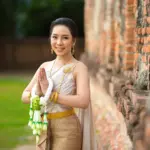
The traditional Thai greeting is called the wai — pressing palms together at chest or nose level with a slight bow.
When to Wai:
- Greeting elders
- Thanking someone
- Apologizing
- Showing respect to monks
Tourists are not expected to initiate a wai in all situations, but returning one is polite.
Handshakes?
In business or tourist areas, handshakes are common but usually initiated by the Thai person.
Respect for the Monarchy
Thailand holds one of the world’s strongest cultural reverence for its monarchy.
Important customs:
- Do not criticize the royal family.
- Stand when the national anthem plays (e.g., in cinemas or public areas at 8 AM and 6 PM).
- Avoid stepping on Thai currency (it features the King’s image).
Disrespect toward the monarchy is not only culturally offensive but legally serious.
Buddhism’s Role in Everyday Life
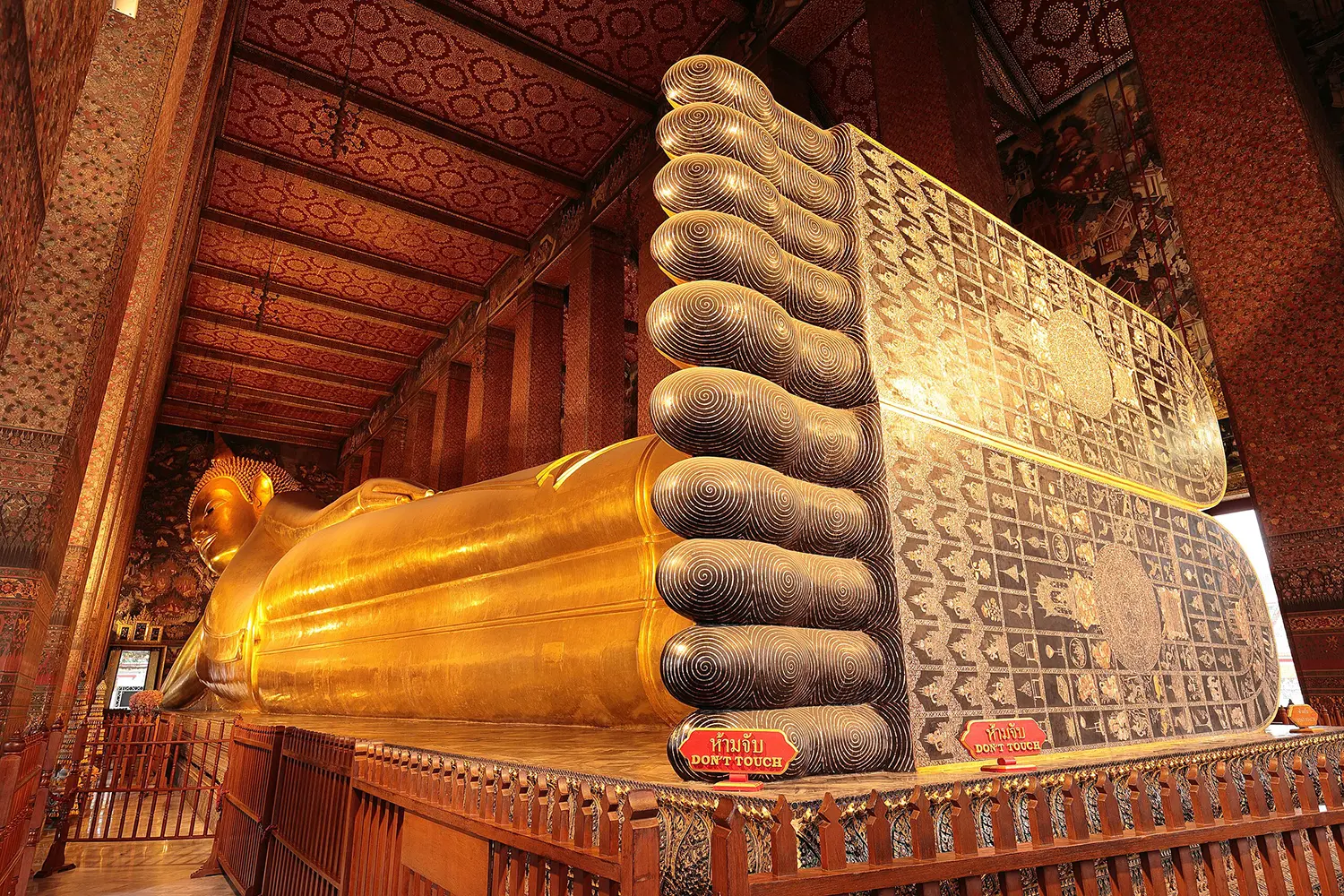
You’ll notice:
- Spirit houses outside homes and businesses
- Morning almsgiving rituals
- Temple bells and chanting
- Monks collecting offerings
Daily Merit-Making
Many Thais begin their day by offering food to monks. This act of generosity builds spiritual merit.
Temple Etiquette
If visiting a temple:
- Dress modestly (covered shoulders and knees)
- Remove shoes before entering buildings
- Do not point your feet toward Buddha statues
- Women should not touch monks
Buddhist values of calmness, compassion, and non-confrontation deeply influence Thai social behavior.
Hierarchy and Age Respect
Thailand has a clear social hierarchy influenced by age, status, and family structure.
Key Rules:
- Younger people show respect to elders first.
- Titles like “Pee” (older sibling) and “Nong” (younger sibling) are commonly used socially.
- Raising your voice to elders is unacceptable.
Respect is not optional — it is fundamental.
Thai Body Language and Social Boundaries
Understanding body language is crucial in Thailand.
The Head Is Sacred
Never touch someone’s head — even playfully.
The Feet Are Lowest
Avoid pointing with your feet or placing them on tables.
Public Displays of Anger
Showing anger in public causes loss of face. Calmness is admired.
Dining Customs and Food Culture
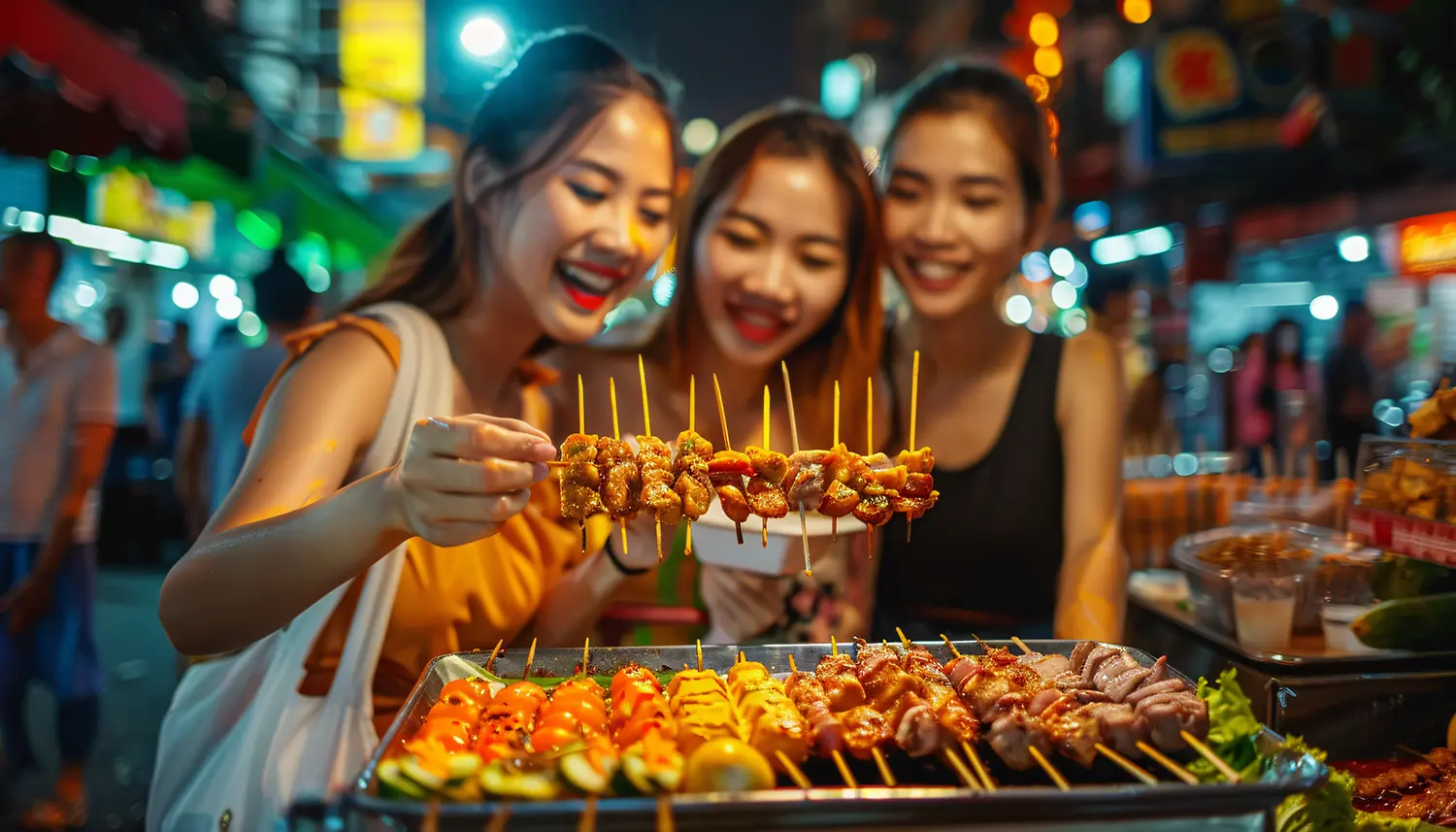
Food is central to Thai daily life.
Shared Eating
Meals are typically shared family-style.
Utensils
- Spoon in right hand
- Fork in left (used to push food onto spoon)
- Chopsticks mainly for noodle dishes
Street Food Etiquette
It’s normal to eat at roadside stalls. Cleanliness standards are generally good in busy areas.
Alcohol
Social drinking is common but drunken behavior is frowned upon.
Daily Life in Thai Homes
Shoes are removed before entering homes — and often small shops.
Many families live in multigenerational households.
You may notice:
- A spirit house outside the home
- Family altars
- Photos of the King displayed prominently
Hospitality is warm but respectful boundaries are maintained.
Work Culture in Thailand
Thai workplaces emphasize harmony over confrontation.
Characteristics:
- Indirect communication
- Respect for seniority
- Avoiding public criticism
Decision-making may appear slow because maintaining group harmony is prioritized.
Punctuality is appreciated, though social flexibility exists.
Public Behavior and Social Norms
Dress Code
Thailand is modern but modest.
- Temples require conservative clothing.
- Beachwear is for beaches only.
PDA (Public Display of Affection)
Holding hands is fine. Intimate displays are discouraged.
Queueing
Queue systems are less rigid than in Western countries, but politeness prevails.
Transportation Etiquette
Taxis and Grab
Politeness matters. Greet drivers respectfully.
Motorbike Culture
Motorbikes dominate urban life. Always wear a helmet.
BTS & MRT (Bangkok)
Priority seats for monks, elderly, and pregnant women are respected.
Festivals and Community Participation
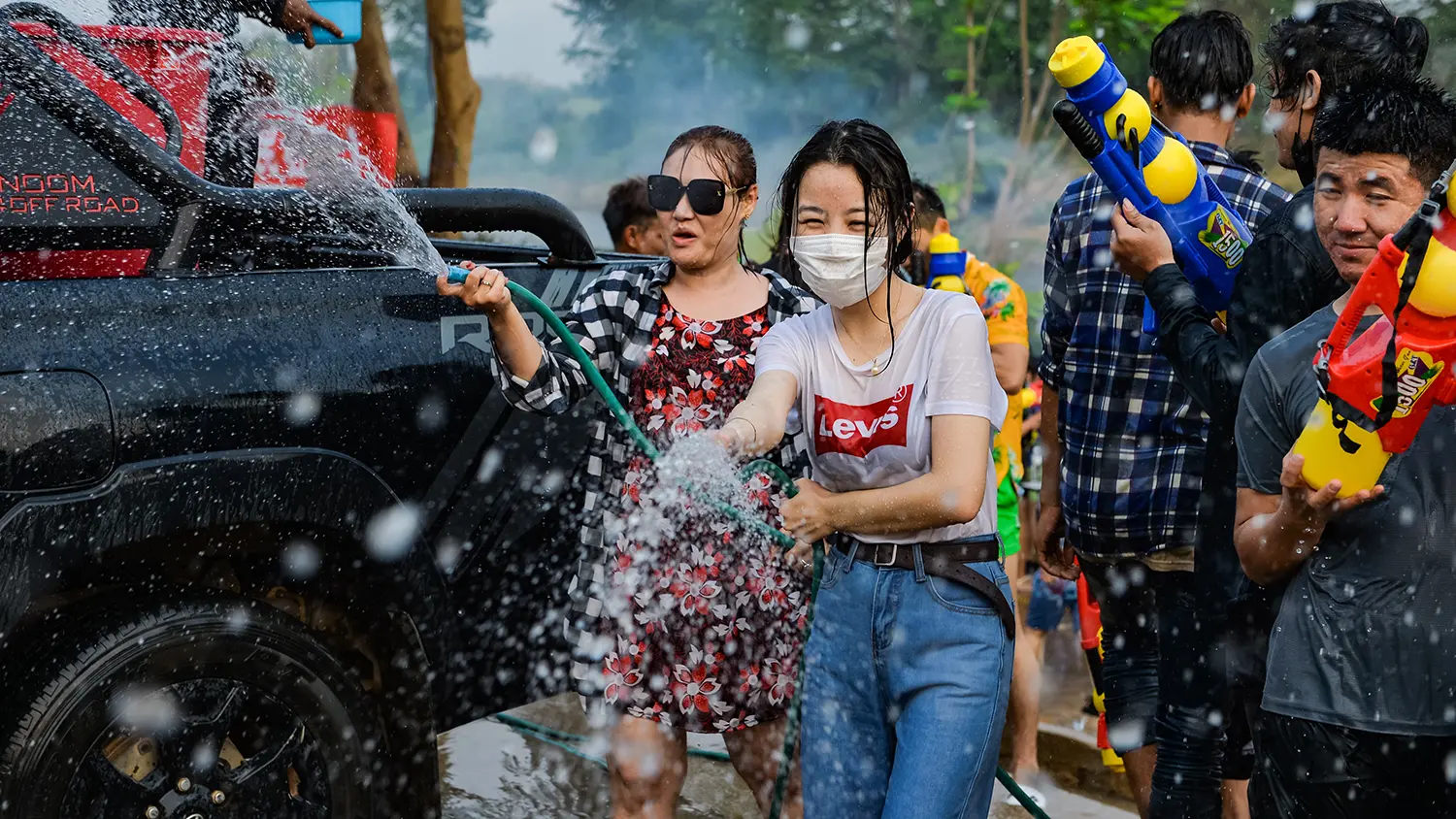
Thai daily life includes frequent festivals:
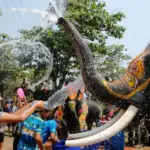
- Songkran (Thai New Year)
- Loy Krathong (Festival of Lights)
- Vegetarian Festival
Participation often includes merit-making and family gatherings.
Community engagement is central to Thai identity.
Religion Beyond Buddhism
Thailand also has:
- Muslim communities (especially in the South)
- Christian minorities
- Chinese Taoist influence
Cultural diversity shapes regional daily life customs.
Common Mistakes Tourists Make
- Wearing revealing clothing in temples
- Touching someone’s head
- Losing temper in public
- Disrespecting the monarchy
- Assuming Western directness is appropriate
Avoiding these ensures smoother interactions.
Modern Thailand vs Traditional Thailand
Urban Thailand (Bangkok, Phuket):
- Fast-paced
- Internationalized
- Western influence visible
Rural Thailand:
- Stronger traditional values
- Community-focused
- Slower pace
Both coexist harmoniously.
Digital Lifestyle and Modern Trends
Thailand is digitally advanced:
- High smartphone penetration
- QR code payments widespread
- Strong social media culture
LINE is the dominant messaging app.
Young Thais blend global trends with traditional respect.
Safety and Social Trust
Thailand is generally safe.
Cultural traits contributing to safety:
- Non-confrontational mindset
- Strong family networks
- Community observation
Petty scams exist but violent crime rates are low in tourist areas.
Why Understanding Thai Customs Enhances Your Trip
When travelers understand Thai daily life:
- Locals respond more warmly
- Experiences feel more authentic
- Cultural misunderstandings decrease
- Deeper cultural immersion occurs
Respect earns respect in Thailand.
Quick Cultural Checklist for Travelers
Before visiting Thailand, remember:
✓ Dress modestly in temples
✓ Return a wai greeting
✓ Remove shoes indoors
✓ Keep calm in public
✓ Respect elders
✓ Avoid touching heads
✓ Stand for the national anthem
✓ Use polite tone
Final Thoughts
Thai daily life is built on respect, balance, and community harmony. While Thailand is tourist-friendly and modern, its social structure remains deeply rooted in Buddhist philosophy and hierarchical respect.
The more you understand Thai customs, the more meaningful your visit becomes.
Thailand is not just a destination — it is a cultural experience shaped by centuries of tradition and a uniquely gentle worldview.
Approach it with curiosity and respect, and you will discover why Thai society is admired worldwide for its warmth and grace.