

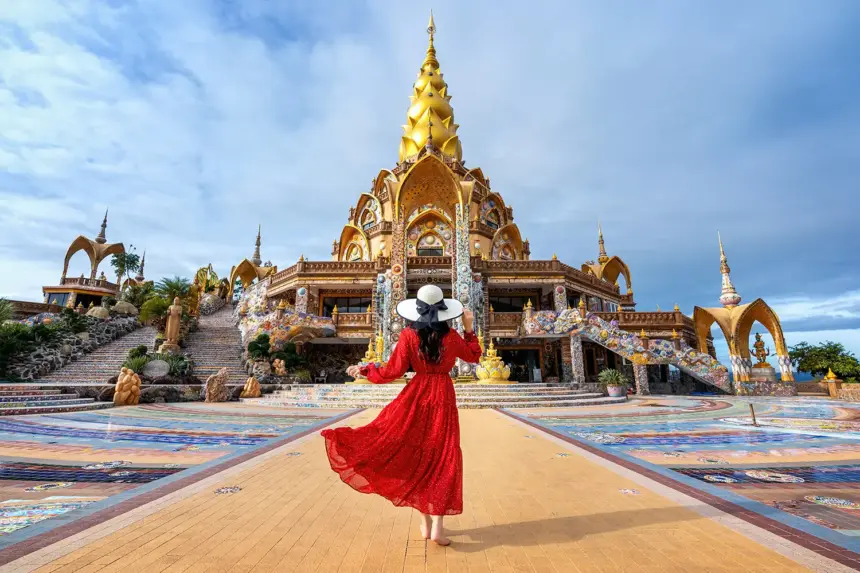
The New Thailand: A 2026 Guide to Sustainable and Value-Led Travel
Thailand’s tourism landscape has undergone a profound transformation. Moving away from the era of mass-market “bucket list” tourism, the Kingdom has officially entered its “The New Thailand” phase. Under the 2026 strategic theme, “Value is the New Volume,” the focus has shifted from the number of arrivals to the depth of the traveler’s experience and the preservation of the environment.
For the modern visitor, this means a Thailand that is quieter, greener, and more culturally immersive.
The Paradigm Shift: Value over Volume
In practice, the “Value over Volume” approach is a systemic effort to decentralize tourism. Rather than funneling millions of visitors into overcrowded hubs like central Phuket or Maya Bay, the government is now incentivizing travel to UNESCO Creative Cities and emerging “Green Cities.”
Success in 2026 is measured by the “Happiness Index” of local communities and the environmental health of coral reefs. For the traveler, this translates to improved infrastructure in secondary provinces like Nan, Sukhothai, and Phetchaburi, where authenticity has been preserved far better than in the traditional tourist corridors.
Healing as the New Luxury
One of the most significant trends of 2026 is the rebranding of luxury. High-end travel in Thailand is no longer defined just by five-star gold leaf décor, but by “Inner Recovery.”
The “Healing is the New Luxury” campaign promotes:
- Farm-to-Table Gastronomy: Dining experiences that support local organic farmers.
- Wellness Retreats: Utilizing traditional Thai medicine and meditation in remote, nature-heavy locations.
- Digital Detox Zones: Accommodations in “Green Lung” areas like Bang Krachao, where technology takes a backseat to reforestation efforts.
Green Logistics: The Rise of Slow Travel
Transportation within Thailand is becoming a centerpiece of the sustainable experience rather than just a means to an end.
- Low-Carbon Rail: The introduction of new themed trains, such as the Royal Blossom and Blue Jasmine, offers a low-carbon alternative to domestic flights. These routes allow travelers to see the rural heartland of Thailand at a leisurely pace.
- Electric Infrastructure: From EV tuk-tuks in Bangkok to electric ferry networks in the Gulf of Thailand, the “last mile” of travel is being decarbonized.
Community-Based Tourism (CBT)
In 2026, “The New Thailand” encourages travelers to become active participants in local life. The “Travel with Care” routes connect visitors with artisans, salt farmers, and forest guardians.
Instead of just observing, guests are invited to participate in workshops—learning the art of indigo dyeing in Sakon Nakhon or coral restoration in Krabi. This ensures that tourism revenue flows directly into the hands of the people who protect Thailand’s cultural and natural heritage.
Frequently Asked Questions
1. What does “Value over Volume” mean for my travel budget?
While “Value over Volume” implies a shift toward quality, it doesn’t necessarily mean Thailand has become unaffordable. It means the focus is on “fair value”—ensuring your money supports sustainable practices and local communities. You may find fewer “budget-basement” package tours, but the quality of mid-range and luxury experiences has significantly improved.
2. How do I find “Zero-Carbon” travel routes in Thailand?
The Tourism Authority of Thailand (TAT) has launched the TravelGreenThailand.com platform. This digital hub provides curated itineraries, certified green accommodations, and maps for low-carbon transportation, such as new rail routes and electric boat networks.
3. Are there new taxes for travelers in 2026?
Yes, a nominal “Sustainability Fee” is included in the entry requirements. This fund is strictly ring-fenced to support the maintenance of National Parks, the development of green infrastructure, and the restoration of cultural heritage sites across the Kingdom.
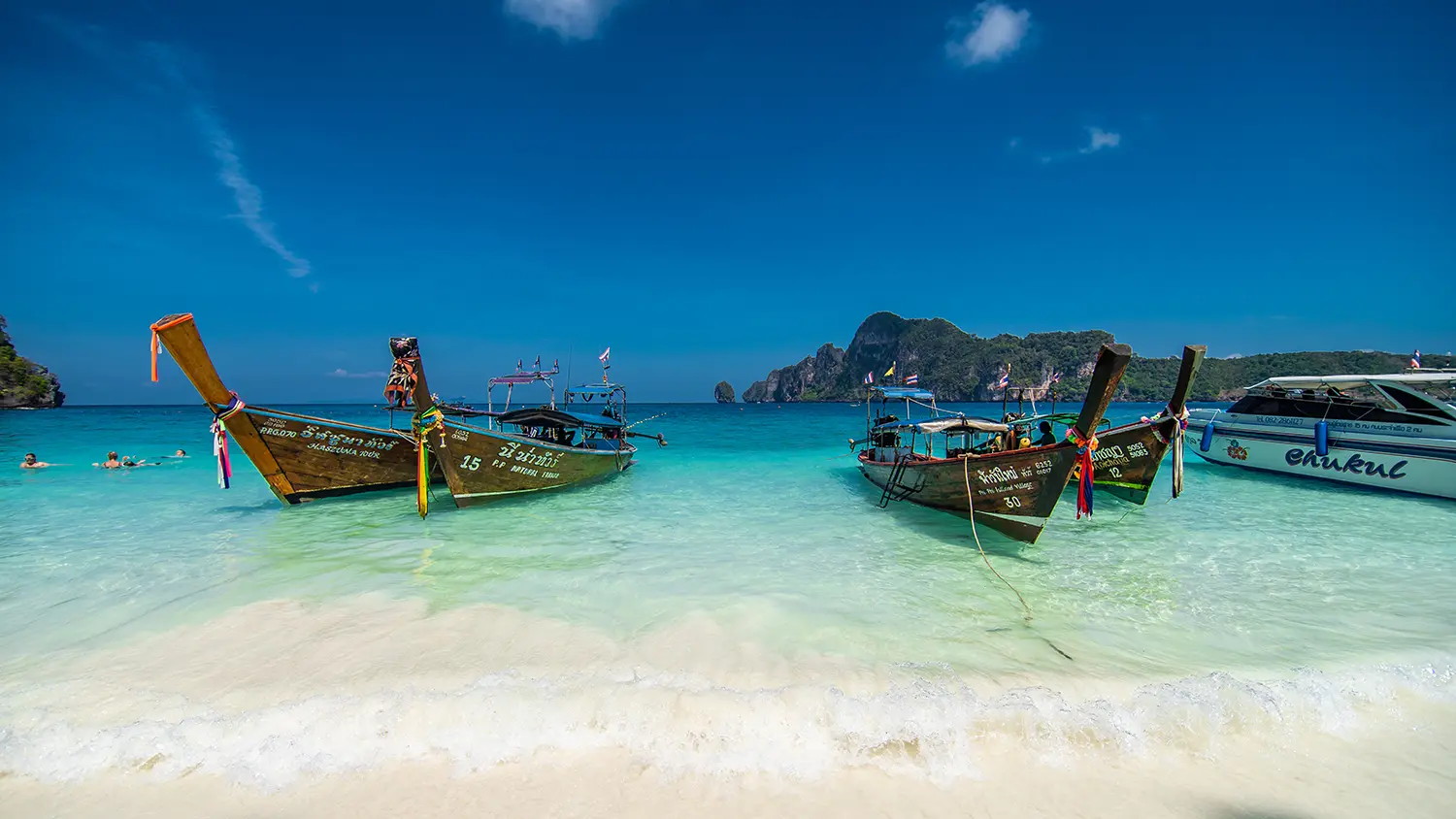
4. Is it still possible to visit popular islands like Koh Phi Phi?
Yes, but access is more strictly managed. Many popular marine sites now use a reservation system to prevent overcrowding. This ensures that the environmental recovery seen during the early 2020s is maintained for future generations.
5. What is a “UNESCO Creative City” in the Thai context?
These are cities recognized for their unique cultural assets. For example, Phuket is recognized for Gastronomy, Chiang Mai for Crafts and Folk Art, and Phetchaburi for its culinary heritage. Visiting these cities offers a deeper, more specialized cultural experience than general sightseeing.
6. Can I still find “Workstation Paradises” for remote work?
Absolutely. The 2026 strategy includes the “Long Stay Paradise” initiative, which provides high-speed internet and co-working infrastructure in secondary “Green Cities.” This allows digital nomads to work in serene, eco-friendly environments outside of Bangkok.
7. How can I ensure my wildlife encounters are ethical?
Look for the “Trusted Thailand” safety and ethics stamp. In 2026, wildlife tourism is heavily regulated; certified sanctuaries in the Chiang Dao Wildlife Corridor or Huai Kha Khaeng emphasize observation over interaction, ensuring animals live in protected, natural habitats.
Final Thoughts
The 2026 era of Thai tourism is defined by a “Cool Heart” (Jai Yen) toward the environment and a “Generous Spirit” toward local communities. By choosing slow travel, supporting local artisans, and prioritizing wellness over consumption, travelers are not just visiting Thailand—they are helping to sustain it. The New Thailand is a destination where every journey leaves a positive footprint.