

Thailand Beyond Bangkok and Phuket: Off-the-Beaten-Path Destinations Worth Exploring
Thailand’s reputation as a premier travel destination is built heavily on the bustling streets of Bangkok, the cultural hubs of Chiang Mai, and the white-sand beaches of Phuket. These established routes offer exceptional infrastructure and accessibility.
- The Allure of Unseen Thailand
- Nan: A Slow-Paced Northern Retreat
- The Isan Region: Thailand’s Cultural Heartland
- Chanthaburi: Gemstones and Coastal Charms
- Trang: Southern Island Life Without the Crowds
- Sangkhlaburi: Where Cultures Converge
- Practical Tips for Exploring Regional Thailand
- Frequently Asked Questions
- Final Thoughts
However, they represent only a fraction of the country’s geographic and cultural diversity. Exploring the provinces outside the primary tourist corridors reveals a different pace of life.
Venturing off the beaten path requires slightly more planning, but the reward is a more authentic look at regional Thai lifestyles. You will find quieter temples, distinct local cuisines, and landscapes that remain largely untouched by mass tourism.
This guide highlights destinations across the north, northeast, east, and south that warrant exploration for travelers seeking a deeper understanding of Thailand.
The Allure of Unseen Thailand
Stepping away from the traditional tourist trail changes the nature of your travel experience. The focus shifts from checking off major attractions to engaging with local communities and natural environments.
In secondary provinces, the cost of living—and consequently, the cost of travel—is significantly lower. Street food, boutique accommodations, and local transportation are priced for Thai residents rather than international tourists.
More importantly, the interactions you have are often more genuine. English may be less commonly spoken, but the hospitality is profound, offering a distinct contrast to the highly commercialized exchanges found in major resort towns.
Nan: A Slow-Paced Northern Retreat
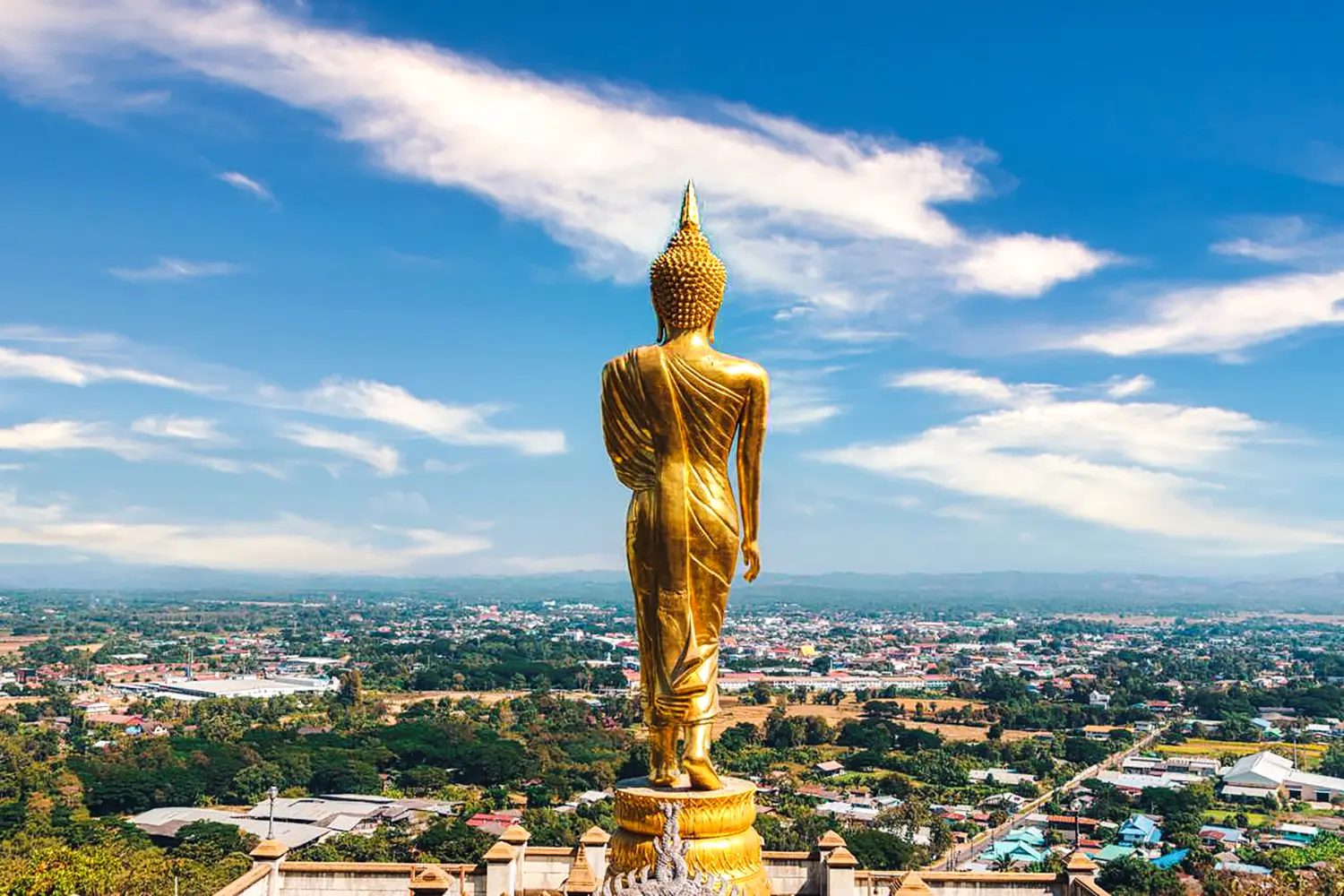
Located in the remote Nan River valley near the Laotian border, Nan province is defined by its forested mountains and quiet, historical capital. It is a destination that demands you slow down.
Why Nan Matters
Nan offers an intact look at the ancient Lanna culture, distinct from what you find in heavily modernized northern cities. The province has successfully resisted overdevelopment, prioritizing heritage preservation over rapid expansion.
The aesthetic of the city is defined by centuries-old teak houses and unique architectural styles that trace back to its time as an independent kingdom. This commitment to its roots makes Nan a haven for history enthusiasts and slow-travel advocates.
What to Experience
- Wat Phumin: This 16th-century temple is famous for its intricate murals, particularly the iconic “Whispering” painting, which depicts scenes of daily life and local folklore.
- Nan Art Gallery: A riverside space showcasing contemporary local artists, providing insight into how the region’s traditional culture influences modern creative expression.
- Doi Phu Kha National Park: Explore dramatic limestone mountains, rare plant species, and winding mountain roads that offer excellent conditions for experienced motorcyclists.
- Coffee Culture: The mountains of Nan produce high-quality coffee beans. Local cafes serve excellent pour-overs, emphasizing sustainable, locally sourced agriculture.
The Isan Region: Thailand’s Cultural Heartland
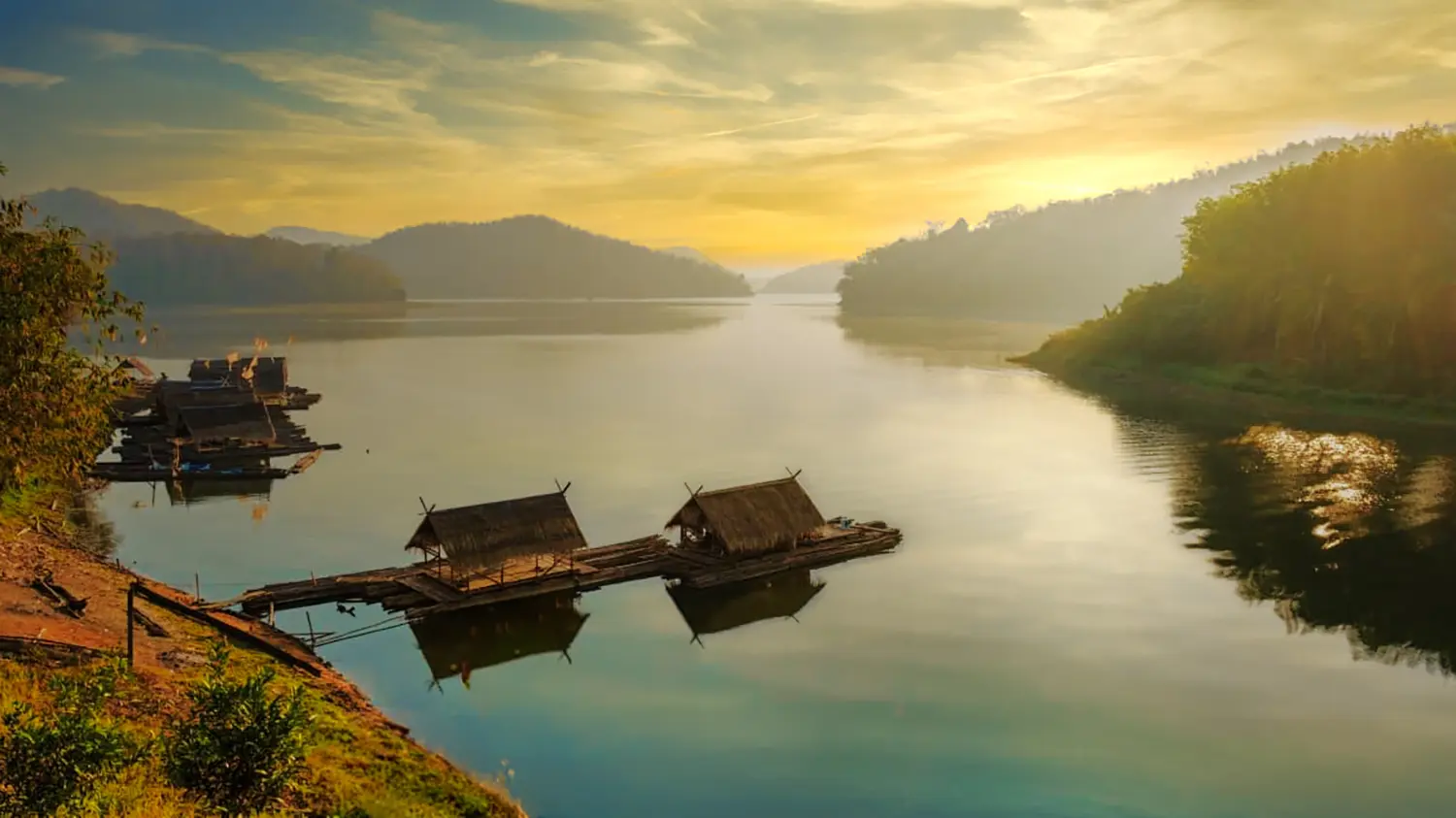
The northeast region of Thailand, known as Isan, is a vast plateau bordering Laos and Cambodia. Despite being the country’s most populous region, it sees a fraction of the international tourism of the south.
Khon Kaen: Prehistoric Discoveries and Silk Heritage
Khon Kaen serves as a modern commercial hub for Isan, but its surrounding areas hold incredible historical significance. It is a vital center for education and regional trade.
The province is perhaps best known internationally for its paleontological discoveries. The Phu Wiang Dinosaur Museum houses fossils of species entirely unique to Thailand, offering a fascinating look at the region’s prehistoric past.
Khon Kaen is also synonymous with premium Thai silk. In villages like Chonnabot, you can observe weavers employing the intricate mudmee (ikat) technique. Purchasing silk directly from these artisans supports local village economies.
Udon Thani: Lakes and Ancient Civilizations
Udon Thani seamlessly blends modern conveniences with deep historical roots. The city is a major gateway for cross-border trade with Laos.
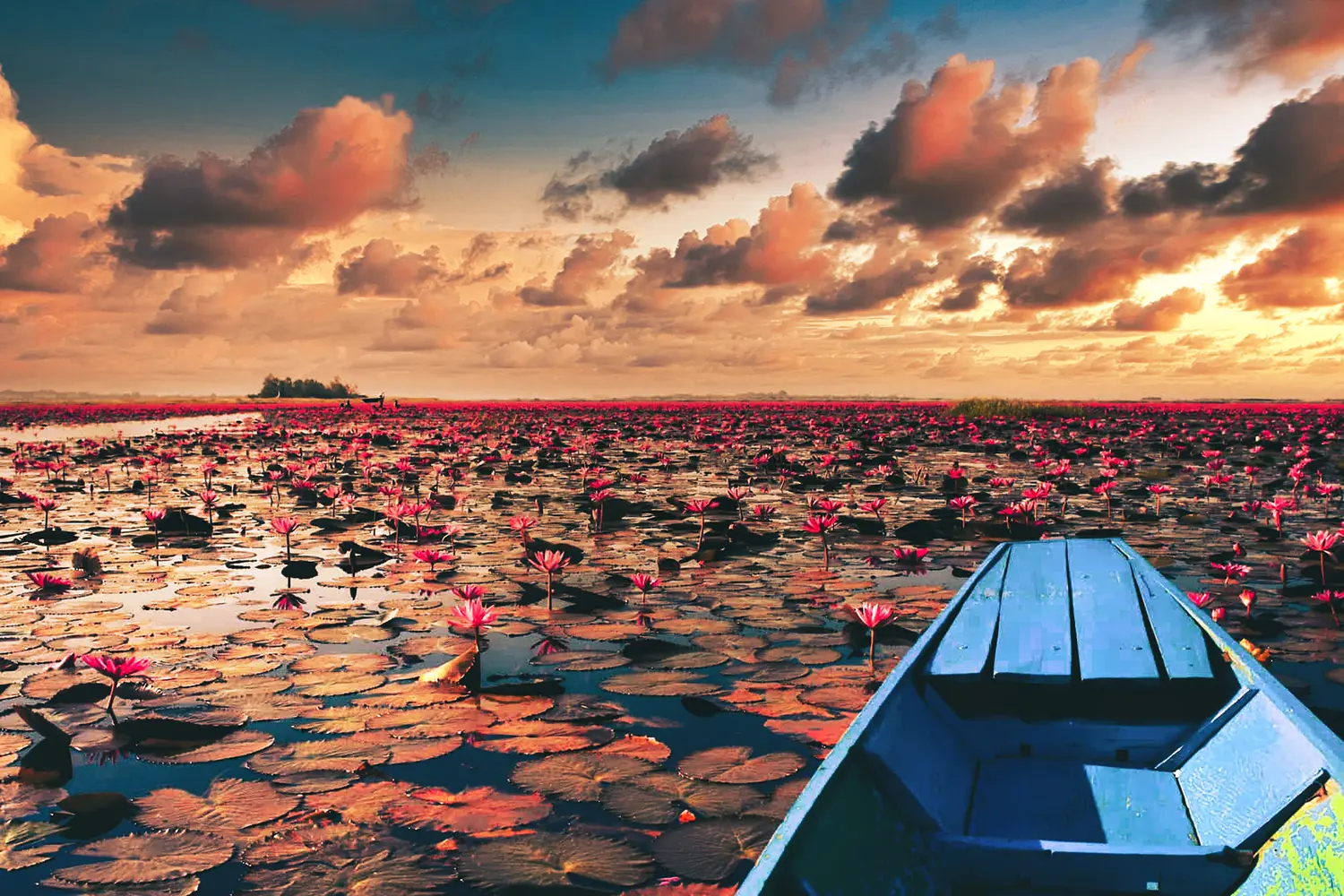
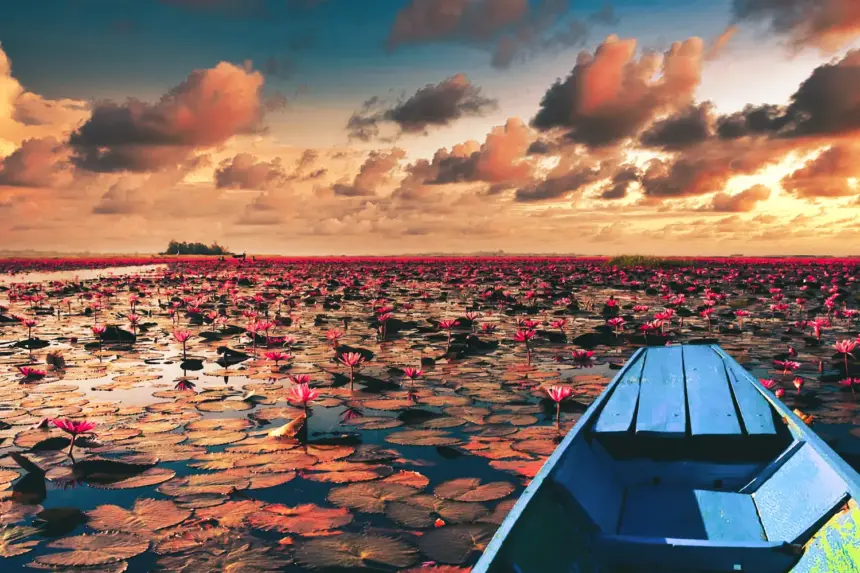
The primary draw during the cool season (December to February) is the Red Lotus Sea (Talay Bua Daeng). Millions of pink water lilies bloom across a massive shallow lake, creating a surreal landscape best viewed from local longtail boats at sunrise.
Just outside the city lies the Ban Chiang Archaeological Site, a UNESCO World Heritage site. It provides crucial evidence of prehistoric agricultural societies in Southeast Asia, dating back thousands of years.
Chanthaburi: Gemstones and Coastal Charms
Located in the eastern part of Thailand, near the Cambodian border, Chanthaburi is characterized by its agricultural wealth, gemstone trade, and diverse coastal landscapes.
The Riverside Community
The Chanthaboon Riverside Community is an excellently preserved historic neighborhood. For centuries, it served as a bustling trade route where Thai, Chinese, and Vietnamese merchants converged.
Walking down the narrow alleys, you will see traditional wooden shop-houses converted into understated cafes, galleries, and boutique guesthouses. The architecture reflects a unique blend of Sino-Portuguese and French colonial influences.
Just across the river sits the Cathedral of the Immaculate Conception. As the largest Catholic church in Thailand, its presence highlights the long-standing Vietnamese Christian community that settled here centuries ago.
Hidden Beaches and Waterfalls
Unlike the heavily developed beaches of Pattaya to the west, Chanthaburi’s coastline is tranquil. Chao Lao Beach features calm, shallow waters and is bordered by family-run seafood restaurants serving freshly caught crab and squid.
Inland, the Namtok Phlio National Park is a prominent attraction. The multi-tiered waterfall is renowned for its clear pools teeming with large, friendly carp, making it a popular weekend retreat for local families.
Trang: Southern Island Life Without the Crowds
If you desire the striking limestone karsts and turquoise waters of the Andaman coast without the congestion of Krabi or Phuket, Trang is the ideal alternative.
The Emerald Cave and Island Hopping
Trang is the jumping-off point for several stunning islands, including Koh Mook, Koh Kradan, and Koh Ngai. These islands prioritize low-impact tourism over massive resorts.
Koh Mook is home to the famous Emerald Cave (Tham Morakot). Visitors swim through a dark, 80-meter tunnel that opens into a hidden, enclosed beach surrounded by towering cliffs—a geological marvel previously used as a smuggler’s hideout.
Koh Kradan, frequently listed among the world’s best beaches, offers powdery white sand and excellent offshore snorkeling. The lack of motorized water sports ensures the environment remains pristine and quiet.
Culinary Heritage
Trang city itself is famous nationwide for its distinct breakfast culture, heavily influenced by its Hokkien Chinese heritage.
Mornings in Trang begin early at bustling teahouses serving a vast array of dim sum, rich local coffee, and the city’s signature dish: Trang roast pork (moo yang). The pork is marinated in a unique blend of spices and roasted whole, yielding incredibly crispy skin and tender meat.
Sangkhlaburi: Where Cultures Converge
Tucked away in the dense mountains of Kanchanaburi province, near the Myanmar border, Sangkhlaburi is a culturally complex and visually stunning district.
The Mon Bridge
The centerpiece of Sangkhlaburi is the Saphan Mon, the longest handmade wooden bridge in Thailand. Stretching across the Songkalia River, it connects the Thai town to a large Mon village.
The bridge is more than a tourist attraction; it is a vital pedestrian artery for the local community. Watching the morning alms-giving ceremony, where Mon residents offer food to monks in traditional attire, provides a profound cultural experience.
Sunken Temples and Lake Life
The construction of the Vajiralongkorn Dam in the 1980s flooded the original town of Sangkhlaburi. During the dry season, the ruins of Wat Saam Prasob (the Sunken Temple) emerge from the waters of the lake.
Hiring a local boat to navigate the lake and visit these partially submerged ruins is a haunting and fascinating excursion. The surrounding landscape, framed by mist-covered mountains, makes this region a paradise for nature photographers.
Practical Tips for Exploring Regional Thailand
Traveling outside the primary tourist zones requires a shift in approach. Infrastructure is functional, but less catered to international expectations.
Transportation
- Domestic Flights: Regional airports in cities like Khon Kaen, Udon Thani, and Trang are well-serviced by low-cost carriers from Bangkok (Don Mueang Airport).
- Car Rentals: Renting a car is often the most efficient way to explore provinces like Nan or Chanthaburi. Ensure you have an International Driving Permit (IDP) and are comfortable driving on the left side of the road.
- Public Transit: VIP buses and minivans connect almost all provincial capitals, though travel times can be lengthy.
Language and Communication
- English proficiency drops significantly outside major hubs. It is essential to learn basic Thai phrases.
- Download Google Translate and ensure you have the offline Thai language pack installed.
- Always carry cash. While QR code payments (PromptPay) are ubiquitous among locals, foreign tourists usually require a Thai bank account to use them. Rural vendors and transport operators rarely accept credit cards.
Frequently Asked Questions
Is it safe to travel to off-the-beaten-path destinations in Thailand?
Yes, Thailand is generally very safe for travelers. In regional areas, violent crime against tourists is extremely rare. Standard precautions regarding personal belongings and road safety, particularly if riding a scooter, should be maintained.
Do I need to speak Thai to visit these provinces?
While you do not need to be fluent, knowing basic phrases (greetings, numbers, asking for prices) is highly recommended. Utilizing translation apps will significantly smooth out interactions in restaurants and at transport hubs.
When is the best time to visit Nan and the northern provinces?
The cool season, from November to February, offers the most comfortable temperatures and clear skies. Avoid the “burning season” (typically late February to April) when agricultural fires cause severe air quality issues.
Are there ATMs available in rural Thai towns?
ATMs are widely available in provincial capitals and medium-sized towns. However, if you are heading to remote islands (like Koh Kradan) or small mountain villages, withdraw sufficient cash beforehand.
How do I get to Trang from Bangkok?
The most efficient method is a direct domestic flight from Bangkok (DMK) to Trang Airport (TST), which takes about 90 minutes. Alternatively, overnight sleeper trains offer a slower, more scenic route from Bangkok’s Krung Thep Aphiwat Central Terminal.
Final Thoughts
Stepping away from Thailand‘s highly developed tourist corridors allows you to witness the country’s diverse regional identities. Destinations like Nan, Isan, Chanthaburi, Trang, and Sangkhlaburi offer distinct cultural, culinary, and historical perspectives. While reaching these areas requires slightly more effort, the authenticity and tranquility they provide make the journey highly rewarding. Exploring these provinces ultimately deepens your appreciation for Thailand’s vast cultural landscape.