The Spiritual Pulse: How Buddhism Shapes Thai Culture and Everyday Life
To travel through Thailand is to move through a landscape defined by Theravada Buddhism. It is not merely a religion practiced in isolation; it is the fundamental framework for Thai social hierarchy, architecture, and the famous national temperament. Approximately 95% of Thais identify as Buddhist, but the practice is deeply syncretic, weaving together ancient animism, Brahmanism, and the core teachings of the Buddha.
Understanding this spiritual pulse is essential for any traveler who wishes to move beyond the surface of “The Land of Smiles” and understand the “why” behind local interactions.
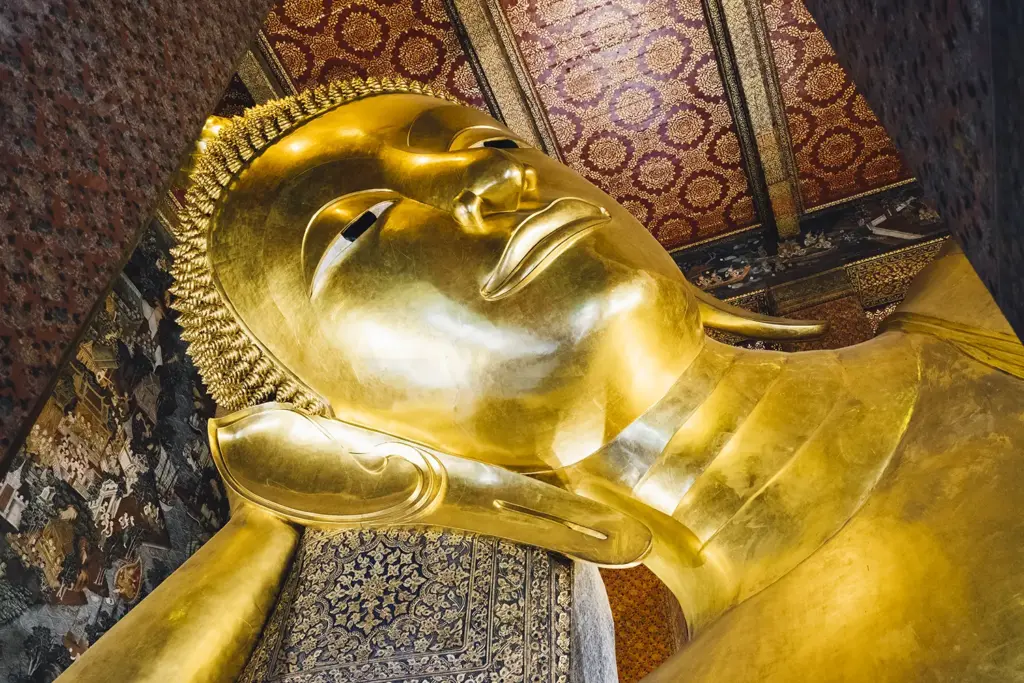
Historical and Cultural Context
Theravada Buddhism, the “School of the Elders,” became the dominant force in Thailand during the Sukhothai period (13th century). Unlike other branches of Buddhism that may focus on esoteric rituals, Thai Theravada emphasizes Tam Bun (making merit).
The Thai worldview is governed by the law of Karma. In practice, this means most Thais believe their current life situation is a result of past actions, and their current actions—specifically their generosity and morality—will dictate their future. This creates a society that prioritizes harmony, avoids confrontation, and values “cool-heartedness” (Jai Yen) over emotional outbursts.
The Sangha: Monks as Pillars of Society
The Sangha (monastic community) is the most respected institution in Thailand, often held in higher regard than political figures. There are over 30,000 temples (Wats) in the country, serving as the heartbeat of their respective neighborhoods.
The Morning Alms (Tak Bat)
Every morning at dawn, monks leave their temples to walk through the streets with alms bowls. For Thais, offering food is not “charity” to the poor; it is a spiritual opportunity to make merit. The monk is a “field of merit,” and by sustaining him, the layperson improves their own spiritual standing.
Temporary Ordination
It is a rite of passage for Thai men to become monks for a short period—ranging from a few days to an entire rainy season—usually before they marry or start a career. This act is considered the greatest gift a son can give his parents, as the merit earned is believed to “transfer” to them, ensuring their wellbeing in the afterlife.
Buddhism in Social Etiquette
The influence of Buddhism dictates physical boundaries and social interactions in ways that may not be immediately obvious to visitors.
The Hierarchy of the Body
In Thai Buddhist belief, the head is the most sacred part of the body (where the spirit resides), while the feet are the lowliest and most spiritually “unclean.”
- The Head: Never touch a Thai person on the head, even affectionately.
- The Feet: Never point your feet at a person, a monk, or a Buddha image. When sitting in a temple, tuck your feet behind you rather than sitting cross-legged.
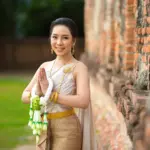
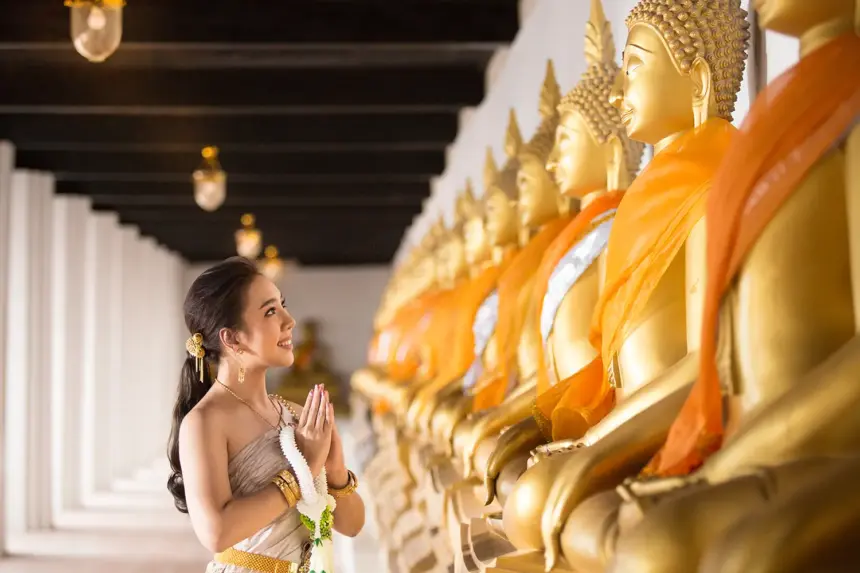
- The Wai: This traditional greeting, with palms pressed together, is a physical manifestation of respect. The higher the hands are held, the more respect is being shown, with the highest Wai reserved for monks and Buddha images.
The Concept of Mai Pen Rai
You will frequently hear the phrase “Mai pen rai” (it’s okay / don’t worry about it). This reflects a Buddhist-influenced detachment from minor stressors. If a bus is late or a mistake is made, a Thai person will often shrug it off to avoid “burning” their mind with anger, which is seen as spiritually detrimental.
Festivals and the Lunar Calendar
Most major Thai holidays are Buddhist in origin and follow the lunar calendar.
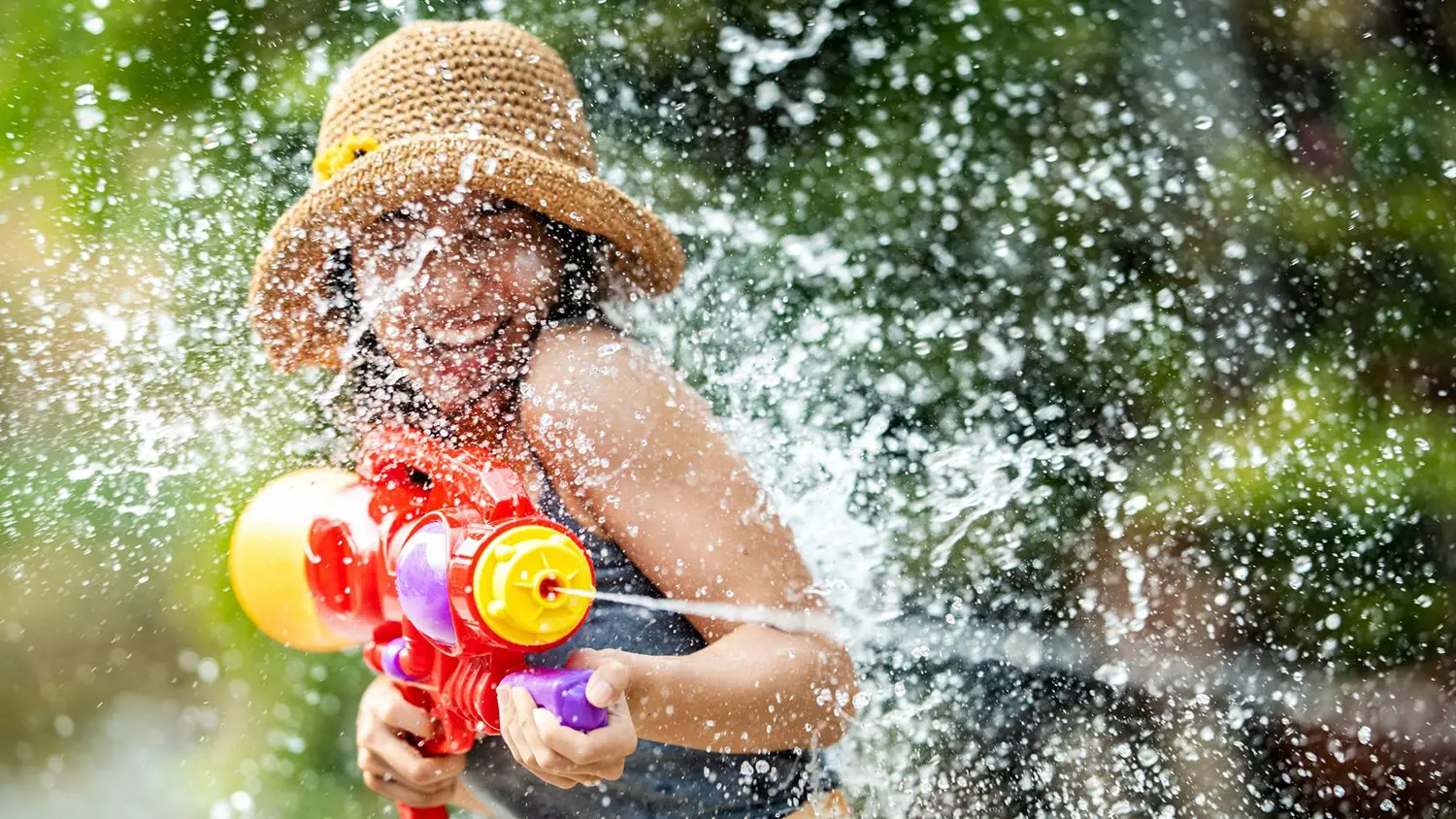
- Songkran (Thai New Year): While now famous for water fights, the core ritual involves pouring scented water over Buddha images and the hands of elders to “wash away” bad luck.
- Loy Krathong: In November, people float decorated baskets (krathongs) on water to pay respect to the water goddess and symbolically let go of anger and grudges from the past year.
- Visakha Bucha: The most holiest day, marking the birth, enlightenment, and passing of the Buddha. You will see crowds of people performing Wian Tian (walking three times clockwise around a temple chapel) holding candles and incense.
Practical Visitor Information
When visiting a temple or interacting with the spiritual side of Thailand, following these norms ensures you are viewed as a respectful guest rather than a disruptive tourist.
Temple Decorum
- Dress Appropriately: Shoulders and knees must be covered. A sarong or light scarf is a useful tool to keep in your bag.
- Removing Shoes: Always remove your shoes before entering a temple building (Ubosot or Wihan).
- Interacting with Monks: Women must never touch a monk or hand something directly to him. On public transport, give up your seat to a monk immediately.
Sacred Objects and Tattoos
Buddha images are sacred, not decorative.
- Photography: It is generally allowed, but never pose in a way that mimics the Buddha or stand on a pedestal to get a “better angle.”
- Tattoos: Having a Buddha tattoo below the waist is considered deeply offensive. In fact, there are signs at major airports advising against the commercial use of Buddha’s image.
Tips and Common Mistakes
- The “Lowering” Gesture: If you walk between two people who are talking, or past a monk, it is polite to slightly bow your head and shoulders. This “lowering” of one’s self is a sign of humility.
- Don’t Step on the Threshold: When entering a temple or a Thai home, step over the raised wooden threshold, not on it. Thai belief suggests that a guardian spirit resides in the threshold.
- Making Merit: Visitors are welcome to participate in merit-making. Placing a small donation in a temple box or buying gold leaf to press onto a statue is a common way to show appreciation for the culture.
Frequently Asked Questions
1. Is it disrespectful to take photos of Buddha statues? Generally, photography is permitted in most Thai temples unless signs explicitly forbid it. However, you must remain respectful: do not climb on structures, do not mimic the Buddha’s pose, and ensure your head is never higher than the Buddha image. In certain sacred spaces, like the Emerald Buddha, photography is strictly prohibited inside the building.
2. What should I do if I accidentally touch someone’s head? If you accidentally touch someone’s head, apologize immediately and sincerely. A simple “sorry” combined with a slight bow of your head is usually sufficient. Thais are generally forgiving of foreigners (Farangs) who make honest mistakes, provided the apology is genuine and the action isn’t repeated.
3. Why do Thais smile when I am complaining about a problem? This is often a “face-saving” smile. In Thai culture, showing extreme emotion or anger is considered a loss of self-control. The person smiling is likely trying to diffuse the tension, maintain a polite atmosphere, and keep the situation from escalating into a confrontation, which would cause both parties to lose face.
4. Can women talk to Buddhist monks in Thailand? Yes, women can speak to monks to ask for directions or information. However, women must maintain a respectful distance and be careful not to touch the monk or his robes. If you are offering a gift or donation, place it on a piece of cloth provided by the monk or on a table in front of him.
5. Do I need to ‘Wai’ everyone I meet? No, you do not need to initiate a Wai with everyone, such as service staff or street vendors. Usually, a smile and a nod are sufficient. However, you should return a Wai if one is offered to you, and it is polite to initiate a Wai when meeting elders or people of significantly higher social status.
6. What is the proper dress code for entering a Thai temple? Both men and women should wear clothing that covers the shoulders and the knees. Avoid tank tops, transparent fabrics, or ripped jeans. Some major temples, such as the Grand Palace, have very strict requirements and may require full-length trousers or skirts; simply covering up with a sarong is sometimes not enough at these high-profile sites.
7. Why is it considered rude to point with one finger? Pointing with a single finger is often associated with accusation or scolding in Thailand. To be polite, if you need to indicate a person or an object, it is better to gesture with your whole hand (palm up) or use a slight chin lift in the direction of the object.
8. Is it okay to buy Buddha statues as souvenirs? While you can buy them, it is technically illegal to take Buddha images out of Thailand without a permit from the Fine Arts Department. Furthermore, using Buddha images as home decor (like “Buddha bars” or garden ornaments) is considered highly disrespectful by many Thais, as the Buddha is a religious figure, not an ornament.
Final Thoughts
Understanding the Buddhist undercurrents of Thai etiquette transforms a trip from a surface-level observation into a meaningful cultural exchange. By practicing Kreng Jai and respecting the traditional hierarchies of the body and the Sangha, travelers can navigate Thailand with grace. Ultimately, the “Land of Smiles” yields its best experiences to those who look past the smile to the philosophy beneath.