

Best Street Food in Thailand: 10 Must-Try Dishes in Bangkok and Beyond (2026 Guide)
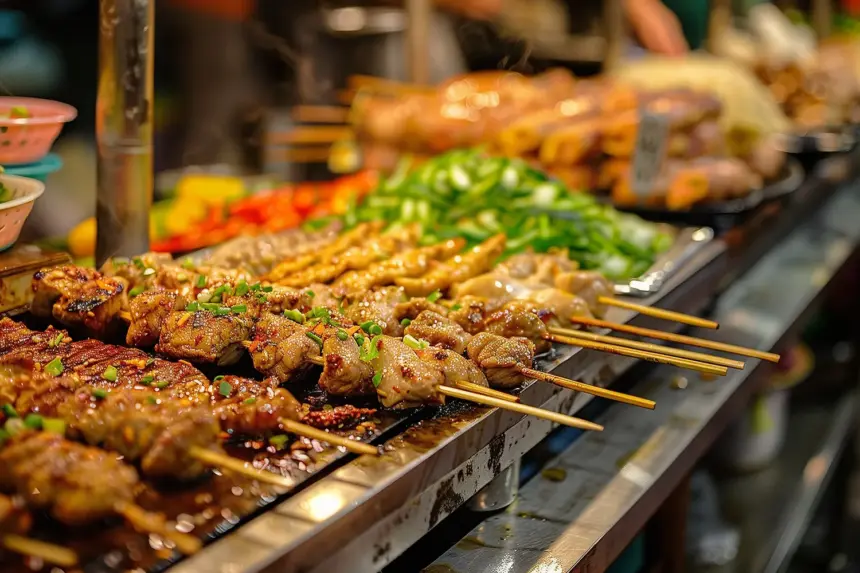
Thailand is often celebrated for its beaches, temples, and vibrant nightlife—but for many travelers, the real heart of the country lives on its streets.
- Why Thai Street Food Is World-Class
- 1. Steamed Shrimp and Pork Dumplings (Khanom Jeeb)
- 2. Grilled Meat Skewers with Satay Sauce (Moo Satay)
- 3. Chicken Sukiyaki Noodles (Suki)
- 4. Pennywort Juice (Nam Bai Bua Bok)
- 5. Rolled Rice Noodles with Crispy Pork Soup (Guay Jab)
- 6. Soy Sauce Ice Cream
- 7. Fried Chinese Chive Dumplings (Gui Chai)
- 8. Spicy Seafood Soup (Poh Teak)
- 9. Wok-Fried Morning Glory (Pad Pak Bung)
- 10. Mango Sticky Rice (Khao Neiw Mamuang)
- Eating Street Food Safely in Thailand
- Why Food Tours Enhance the Experience
- Final Thoughts: Street Food Is Thailand’s Soul
Thai street food is not just affordable and delicious; it is deeply cultural, intensely local, and woven into daily life in a way few cuisines can rival.
After spending months living in Bangkok and exploring food scenes across Thailand, one thing became clear: street food is the fastest way to understand the country.
This guide goes beyond a simple list. You’ll learn what to eat, why it matters, where to find it, and how to experience Thailand’s street food scene like a local—whether you’re visiting Bangkok, Phuket, or anywhere in between.
Why Thai Street Food Is World-Class
Thai street food consistently ranks among the best in the world—and for good reason.
- Fresh ingredients prepared to order
- Perfect flavor balance: sweet, salty, spicy, sour, umami
- Cultural authenticity: recipes unchanged for decades
- Accessibility: Michelin-recognized dishes often cost under $3
Unlike many countries where street food is secondary, in Thailand it is the main event. Locals eat out daily, and street vendors are trusted culinary experts rather than casual cooks.
1. Steamed Shrimp and Pork Dumplings (Khanom Jeeb)
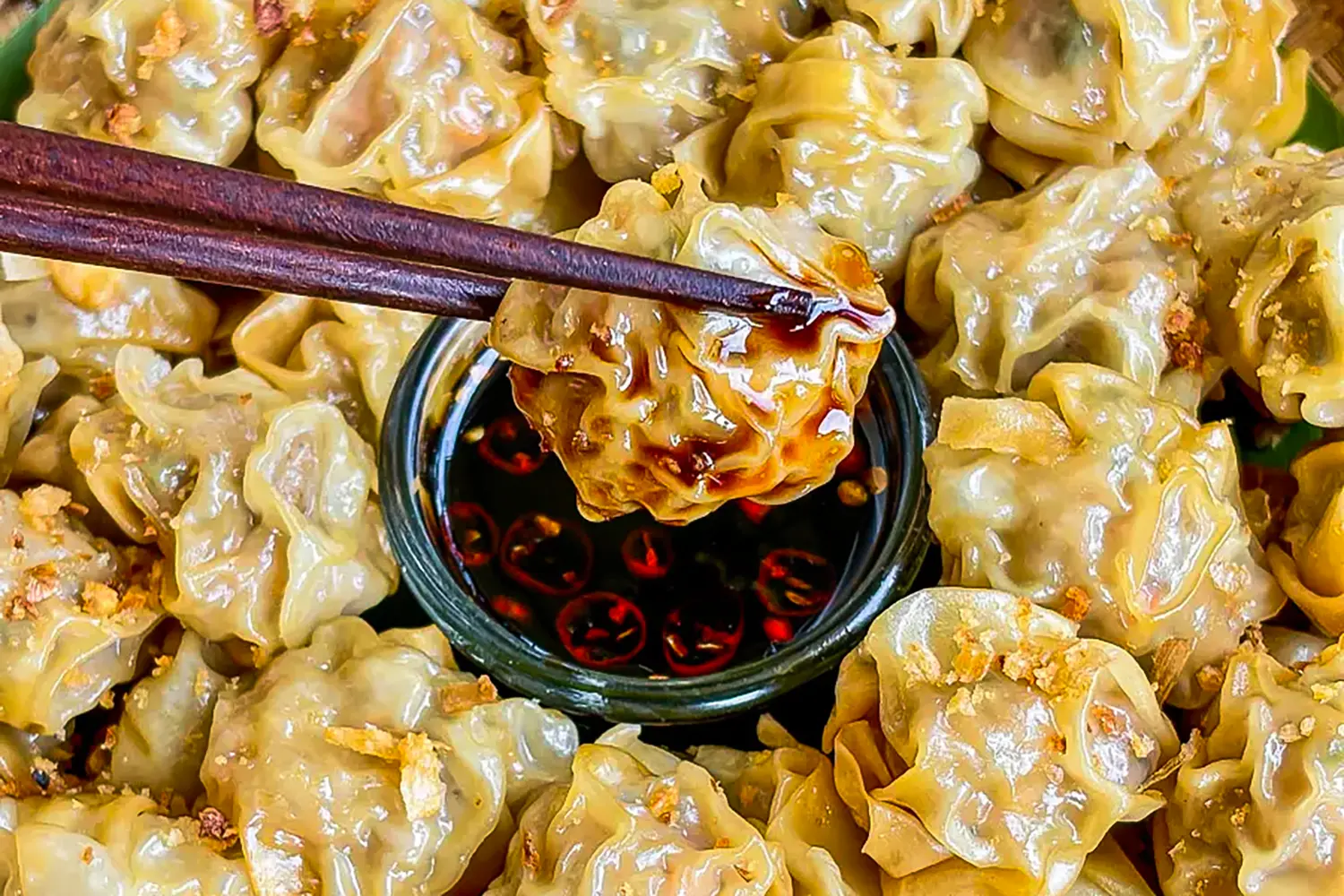
Khanom Jeeb is Thailand’s answer to dim sum—small, delicate, and deceptively complex.
These steamed dumplings are filled with finely minced shrimp and pork, wrapped in thin dough, and steamed until perfectly tender.
What makes khanom jeeb special is the texture contrast: soft wrappers, juicy filling, and a subtle chew that signals freshness. Watching vendors fold each dumpling by hand is part of the experience.
Where to eat:
Bangkok Chinatown (Yaowarat), especially in the early morning.
2. Grilled Meat Skewers with Satay Sauce (Moo Satay)
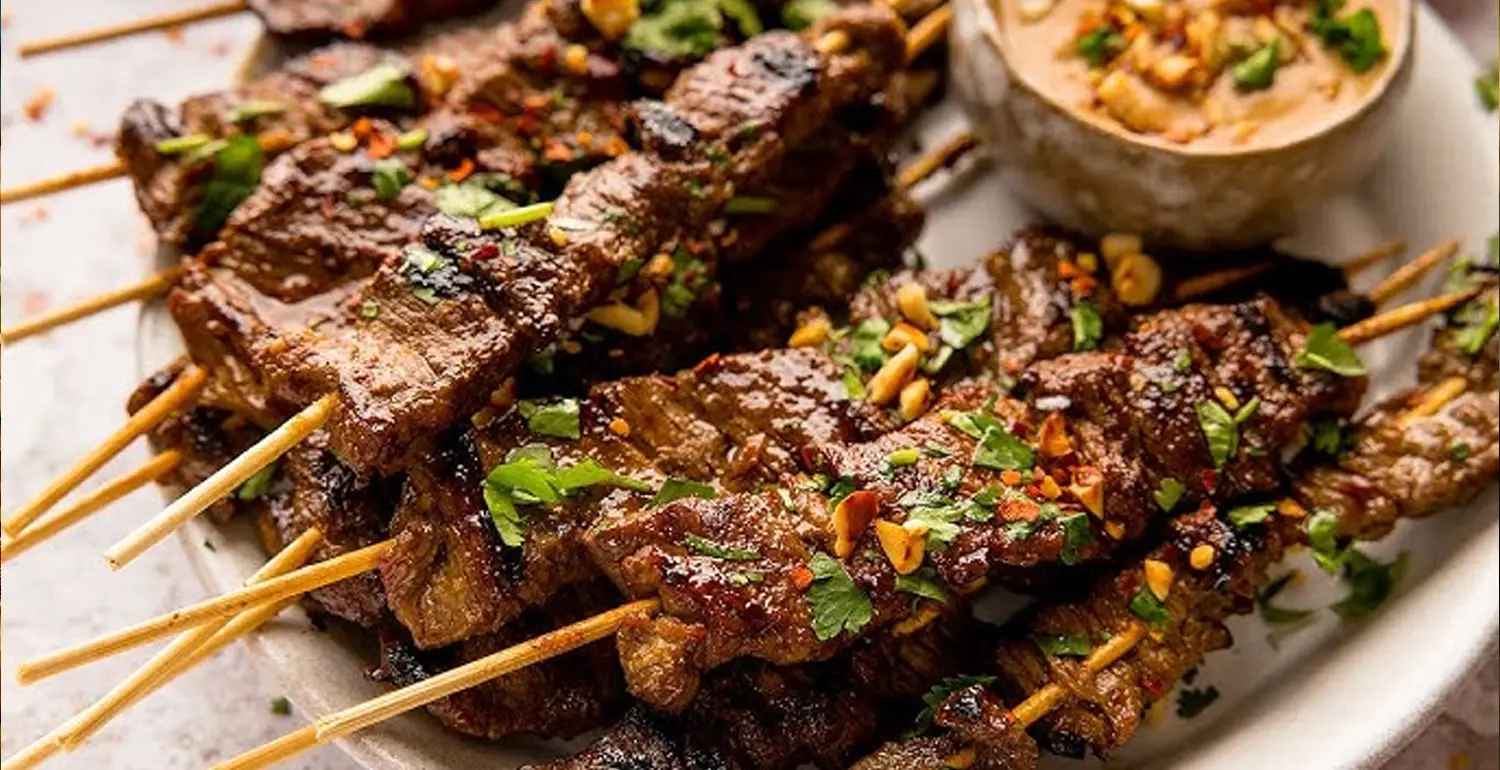
Moo satay is one of the most beloved street foods in Thailand.
Marinated pork skewers are grilled over charcoal until smoky and caramelized, then served with creamy peanut sauce and a crisp cucumber relish.
Thailand’s version stands out due to its balance—never overly sweet, with just enough spice and acidity.
Why it matters:
Satay reflects Southeast Asia’s shared culinary heritage with a uniquely Thai twist.
3. Chicken Sukiyaki Noodles (Suki)
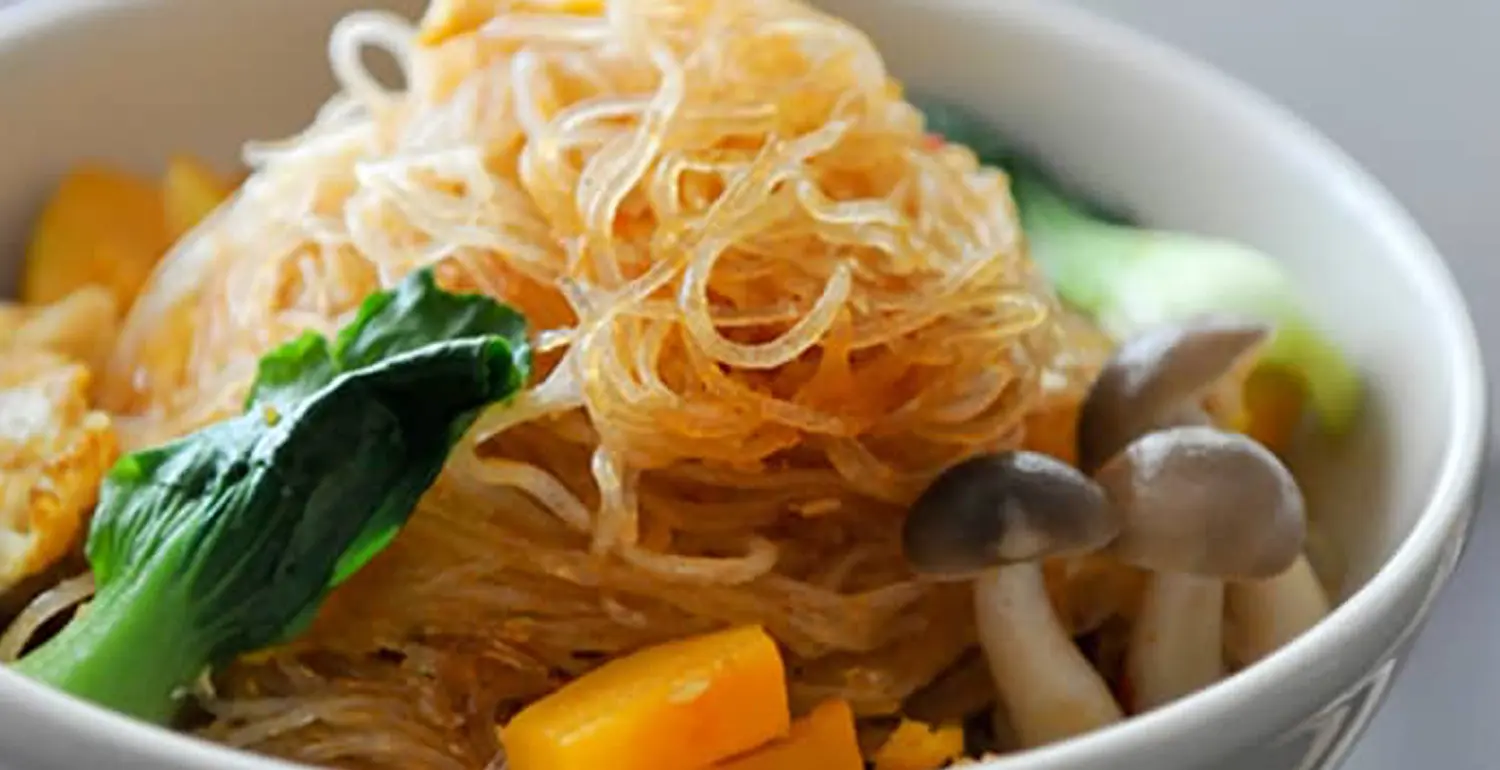
Thai suki is comfort food at its finest.
Unlike Japanese sukiyaki, this dish features glass noodles, tender chicken, vegetables, and a light yet deeply flavorful broth.
Cooked to order at street stalls, suki is filling without being heavy—perfect after a long day exploring Bangkok.
Local tip:
Ask for “suki haeng” (dry version) for a more intense flavor.
4. Pennywort Juice (Nam Bai Bua Bok)
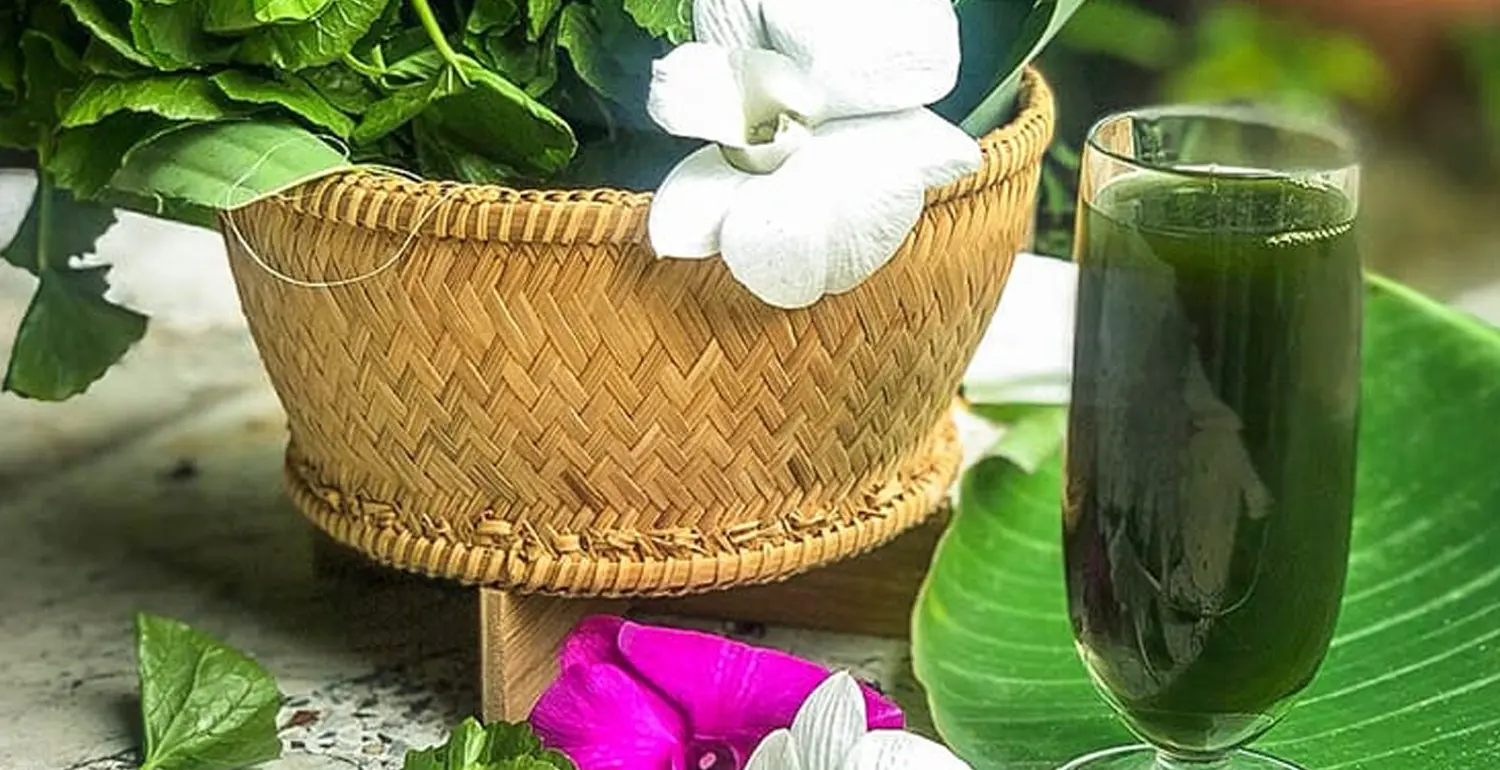
Street food in Thailand isn’t limited to solids.
Pennywort juice is a bright green herbal drink believed to improve circulation and cool the body—essential in Thailand’s tropical heat.
The taste is mild, herbal, and slightly sweet. While unusual at first, it’s a true local experience.
Best time to try:
Midday, when temperatures peak.
5. Rolled Rice Noodles with Crispy Pork Soup (Guay Jab)
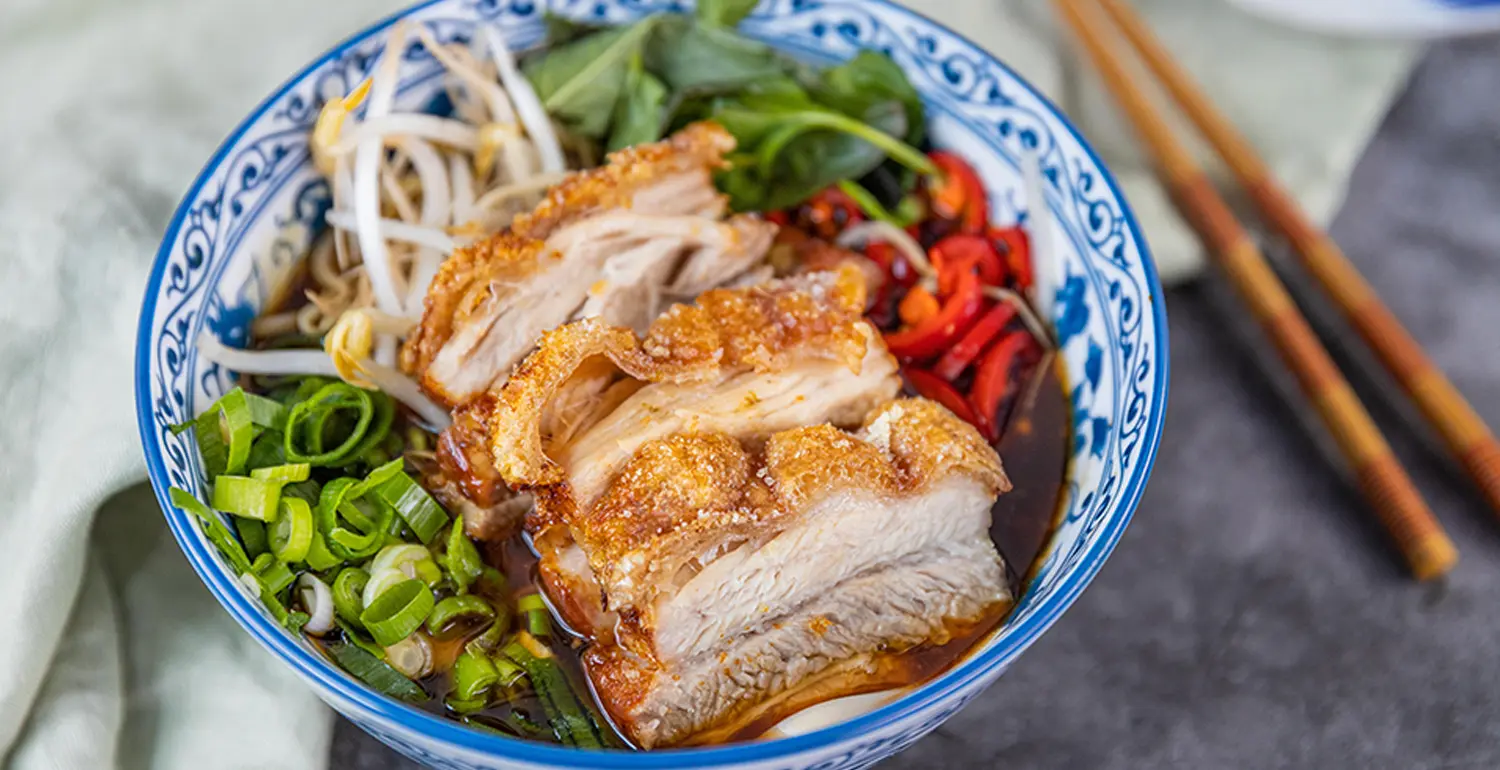
Guay Jab is the definition of comfort food.
Thick rolled rice noodles are served in a peppery broth and topped with crispy pork belly, creating a perfect balance of richness and warmth.
Despite its simplicity, this dish is deeply satisfying and widely loved by locals.
Where to eat:
Traditional stalls in Bangkok’s Chinatown.
6. Soy Sauce Ice Cream
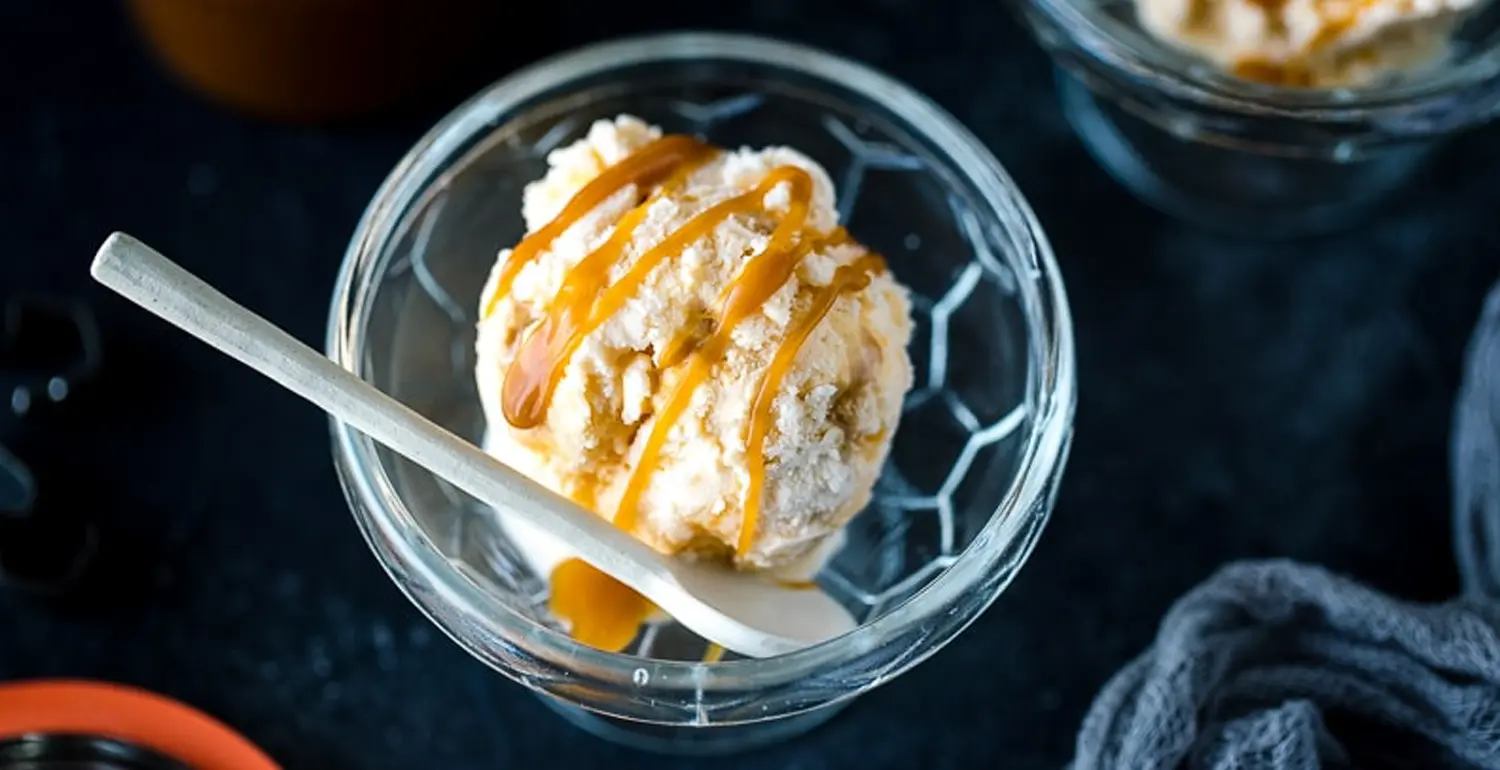
Yes—soy sauce ice cream, and surprisingly, it works.
Sweet creaminess meets savory umami, creating a flavor combination that feels bold yet balanced.
This dessert highlights Thailand’s culinary creativity and willingness to experiment.
Best for:
Adventurous eaters and food lovers.
7. Fried Chinese Chive Dumplings (Gui Chai)
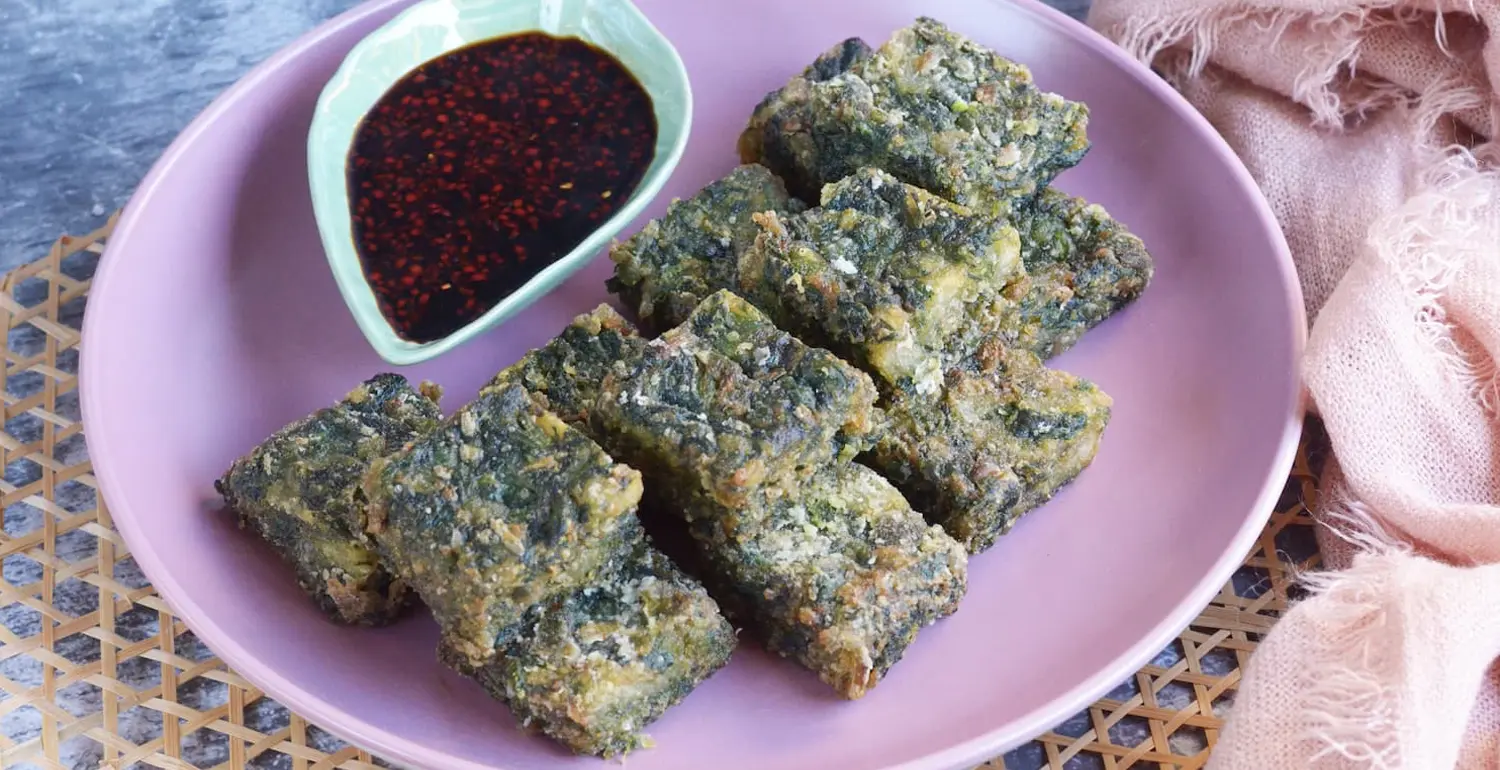
Gui Chai are pan-fried dumplings filled with fragrant Chinese chives.
They feature a crispy exterior, soft interior, and bold savory flavor, usually served with a tangy dipping sauce.
Simple, affordable, and dangerously addictive.
Pro tip:
Eat them immediately while hot.
8. Spicy Seafood Soup (Poh Teak)
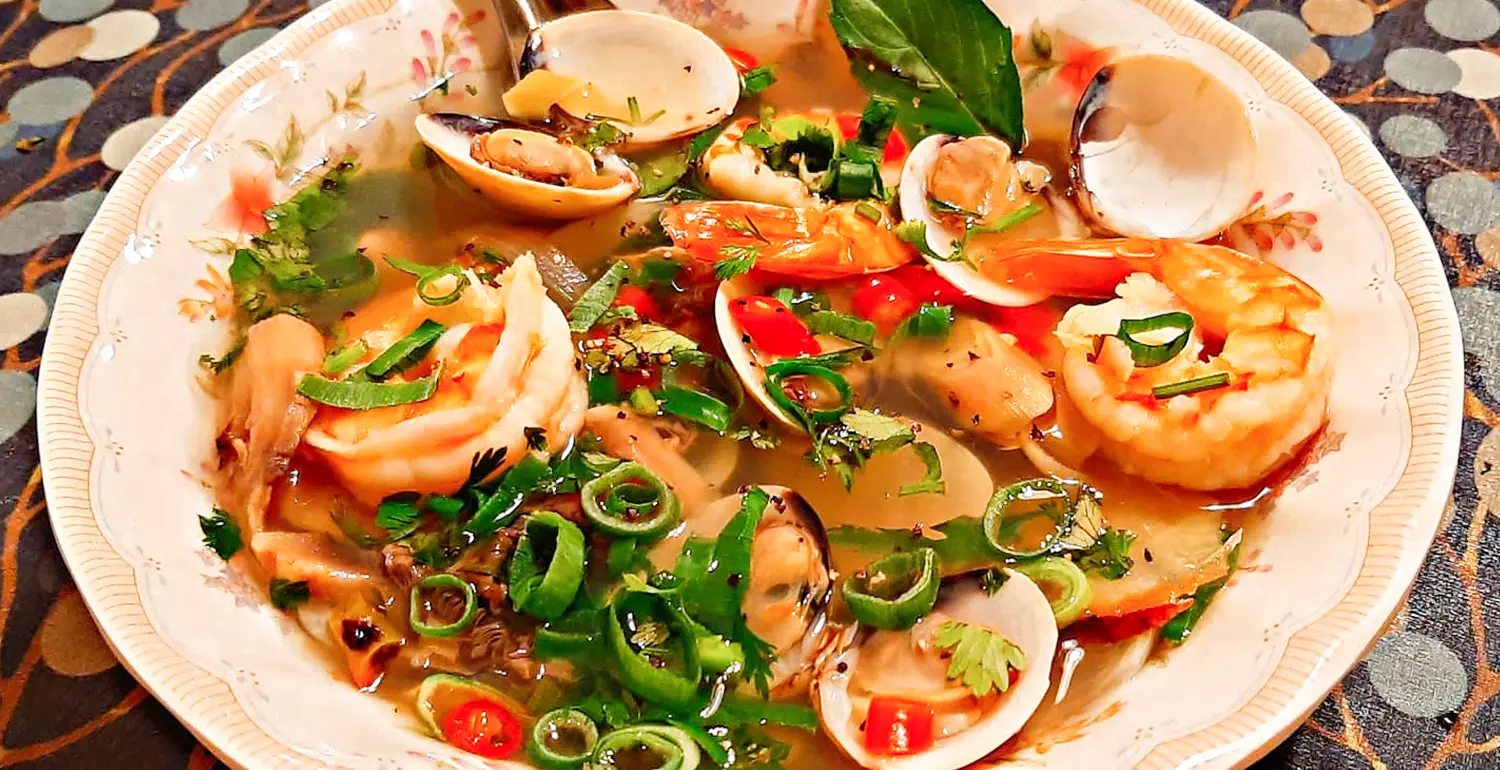
Poh Teak is bold, spicy, and deeply aromatic.
This seafood soup is packed with shrimp, fish, herbs, and chilies that awaken the senses.
While spicy, the heat is intentional—it cools the body through perspiration.
Heat level:
Can be adjusted on request.
9. Wok-Fried Morning Glory (Pad Pak Bung)
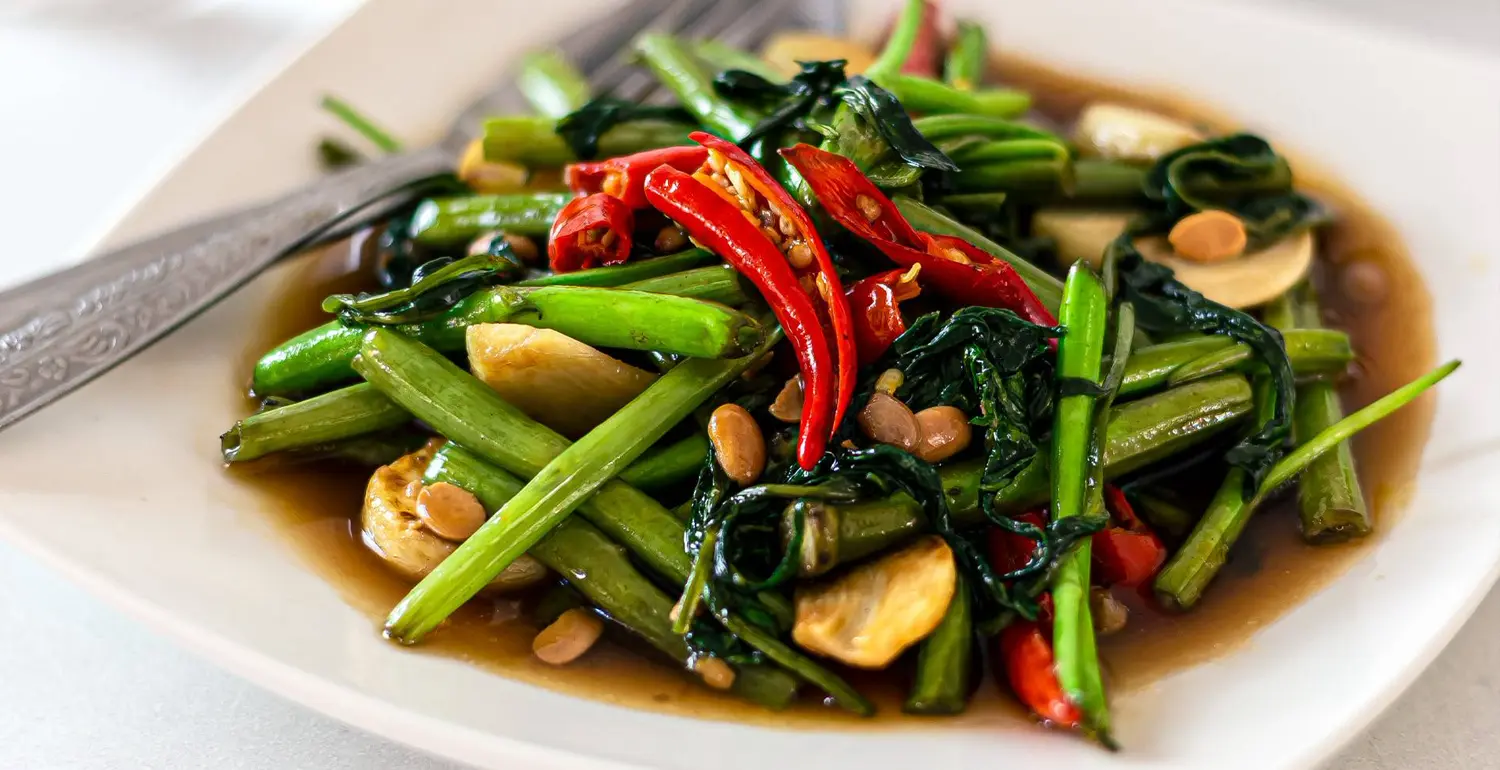
Morning glory (water spinach) is a Thai staple.
Stir-fried with garlic, chili, and soy sauce, it’s simple yet intensely flavorful.
This dish shows how Thai cuisine elevates humble ingredients through technique.
Pairs well with:
Grilled meats and rice dishes.
10. Mango Sticky Rice (Khao Neiw Mamuang)
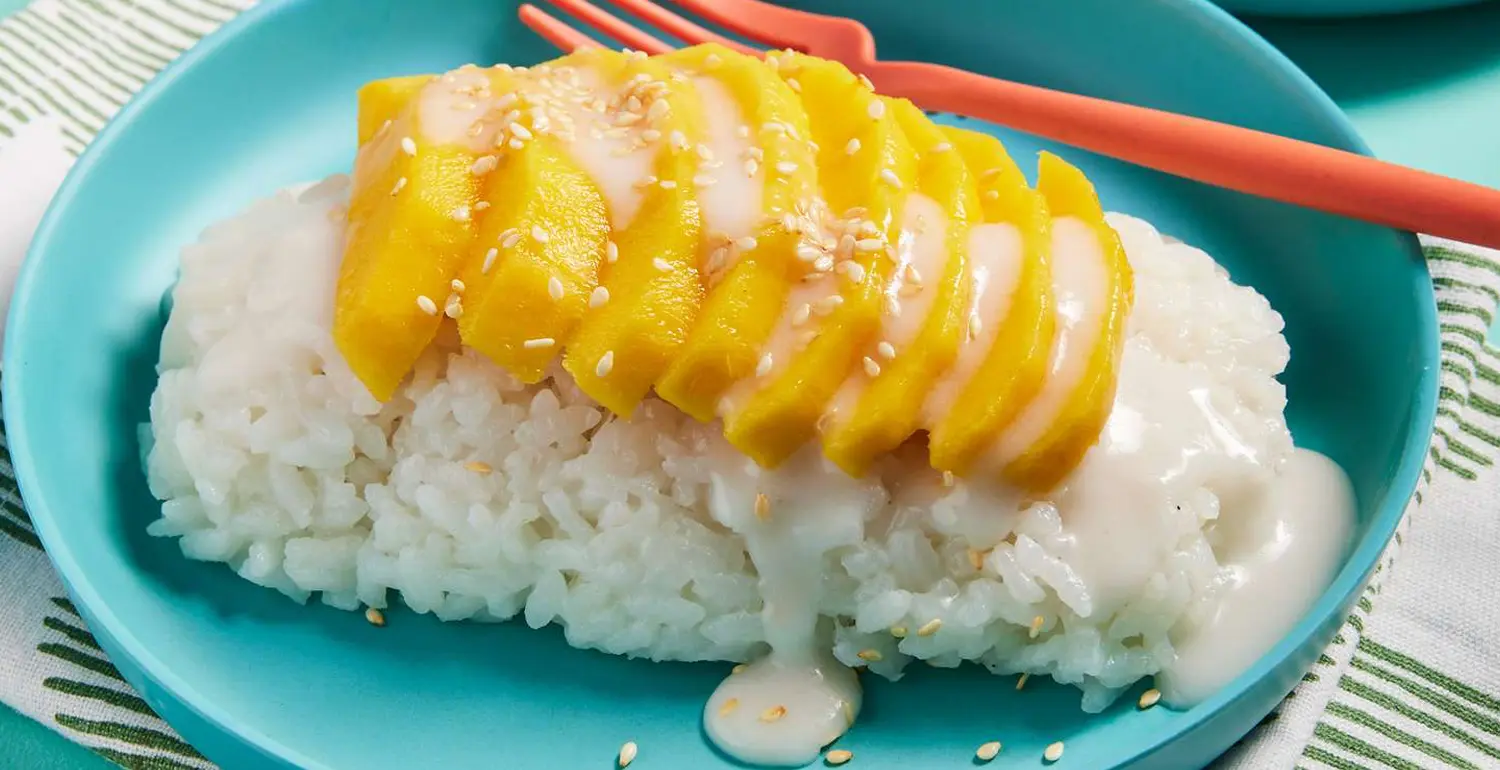
No Thai street food list is complete without mango sticky rice.
Ripe mango slices are paired with coconut-infused sticky rice and finished with rich coconut cream.
Sweet, salty, and refreshing, it perfectly represents Thai flavor balance.
Seasonal note:
Best from March to June.
Eating Street Food Safely in Thailand
Street food in Thailand is generally very safe, especially if you follow a few simple rules:
- Choose busy stalls with high turnover
- Watch food being cooked fresh
- Avoid pre-cut fruit left in the sun
- Stay hydrated
Locals eat street food daily—and their standards are high.
Why Food Tours Enhance the Experience
While exploring independently is rewarding, guided street food tours offer major advantages:
- Access to hidden vendors
- Cultural context and food stories
- Language support
- Better vendor selection for first-timers
A good food tour transforms eating into storytelling.
Final Thoughts: Street Food Is Thailand’s Soul
Thai street food is not just about eating—it’s about connection.
Connection to vendors, neighborhoods, and traditions passed down through generations.
If you want to understand Thailand beyond guidebooks and social media, start with its streets. Sit on a plastic stool. Order what locals order.
Because in Thailand, culture doesn’t live in museums—it lives in bowls.
Last updated: 2026